Categories
Subway Tiles

Modern Guide to Subway Tiles: 7 Creative Layouts & Ideas

The humble subway tile is a design icon that has transitioned from the 1904 New York City underground to the heart of modern Australian homes. While its origins are rooted in utility, its future lies in versatility. Today, The Modern Guide to Subway Tiles: 7 Creative Layouts Beyond the Classic Brick explores how this simple ceramic rectangle can be reimagined to suit contemporary tastes, from sleek Melbourne apartments to sprawling coastal retreats in Queensland.

Whether you are planning a kitchen splashback or a floor-to-ceiling bathroom feature, the layout you choose defines the entire room’s energy. In this guide, we move past the traditional “running bond” to explore geometric patterns that add texture, height, and architectural interest to your space.

See more: The Surprising Versatility of Subway Tiles in Modern Interiors


What is a Subway Tile? Understanding the Anatomy

Originally, subway tiles were defined as 3×6 inch (roughly 75x150mm) white, glazed ceramic rectangles. In the modern Australian market, the term has expanded. We now see variations in:

  • Size: From “finger” tiles (kit-kats) to oversized 100x300mm planks.
  • Finish: High-gloss, matte, “zellige-style” handmade textures, and tumbled edges.
  • Material: Traditional ceramic, porcelain, glass, and even natural stone like Carrara marble.

Why Subway Tiles Remain the Top Choice for Renovators

The enduring popularity of these tiles isn’t just about nostalgia. From a senior designer’s perspective, they offer:

  1. Cost-Effectiveness: High-impact look for a relatively low price per square metre.
  2. Durability: Easy to clean and resistant to moisture—perfect for wet areas.
  3. Versatility: They act as a “neutral” base that allows other fixtures (like brass tapware) to shine.

The Modern Guide to Subway Tiles: 7 Creative Layouts Beyond the Classic Brick

If you want to elevate your renovation, the secret isn’t necessarily a more expensive tile; it’s a more intentional layout. Here are seven patterns that are currently dominating Australian interior design.

1. Vertical Stack Bond (The Modern Minimalist)

By turning the tile 90 degrees and aligning the joints perfectly, you create a grid of vertical lines.

  • The Effect: It draws the eye upward, making low ceilings feel significantly higher.
  • Best For: Modern Australian kitchens and small ensuite bathrooms.
  • Pro Tip: Use a contrasting grout to highlight the precision of the stack.

2. Horizontal Stack Bond (The Mid-Century Grid)

Similar to the vertical stack but laid horizontally. This creates a clean, organized look reminiscent of mid-century modern architecture.

  • The Effect: Provides a sense of stability and calmness.
  • Best For: Large wall surfaces where you want texture without visual “noise.”

3. Traditional Herringbone

The tiles are set at a 45-degree angle to create a “V” shape. This is perhaps the most popular premium layout in Australia right now.

  • The Effect: Adds a sense of luxury and movement.
  • Best For: Feature walls and splashbacks.
  • Note: This layout requires more “wastage” (approx. 15%) due to the intricate cuts at the edges.

4. 90-Degree Herringbone (Step Ladder)

A variation of the herringbone where the tiles are set at 90-degree angles to the floor/ceiling rather than 45 degrees.

  • The Effect: It looks more contemporary and “architectural” than the traditional version.
  • Best For: Shower alcoves and narrow laundry splashbacks.

5. Vertical Offset (The Vertical Brick)

This is the classic brick bond turned on its side. The tiles are staggered vertically.

  • The Effect: A quirky twist on tradition that feels fresh and unexpected.
  • Best For: Creating a “waterfall” effect in showers.

6. Basketweave

Pairs of tiles are laid horizontally, followed by a pair laid vertically.

  • The Effect: Creates a woven, tactile appearance that mimics fabric or basketry.
  • Best For: Floor applications or traditional “Hamptons-style” Australian homes.

7. Crosshatch (Double Stack)

Two tiles are stacked horizontally, then two vertically.

  • The Effect: Bold, geometric, and artistic.
  • Best For: Small accent areas or powder rooms where you want a “wow” factor.
Subway Tiles

Comparing Subway Tile Layouts: At a Glance

LayoutDifficultyVisual ImpactRecommended Grout
Vertical StackMediumHigh (Adds height)Contrast color
HerringboneHighVery High (Luxury)Matching color
BasketweaveHighMedium (Texture)Subtle grey
Brick BondLowLow (Classic)Any

Technical Considerations: Grout and Finish

Choosing the layout is only half the battle. To ensure your subway tiles look professional and last for decades, consider these technical factors:

Selecting the Right Grout

In Australia, Mapei and Ardex are the industry standards for grout. Your choice of grout colour can change the tile’s look entirely:

  • Matching Grout: Creates a seamless, monolithic look (e.g., white tile with white grout).
  • Contrasting Grout: Highlights the pattern (e.g., white tile with charcoal grout).
  • Epoxy Grout: Highly recommended for kitchen splashbacks as it is stain-proof and easier to scrub.

Edge Finishing

How do you end a tile run?

  • Bullnose Tiles: Tiles with one rounded edge.
  • Mitred Edges: Cutting two tiles at 45 degrees to meet at a corner (the cleanest look).
  • Aluminium/Brass Trims: Modern strips that hide the raw edge of the tile.

Step-by-Step: How to Plan Your Subway Tile Layout

  1. Calculate Surface Area: Measure height x width and add 10-15% for cuts and breakages.
  2. Dry Lay: Before applying adhesive, lay your tiles out on the floor to see how the pattern ends at the corners.
  3. Find the Centre Point: Always start tiling from the centre of the wall and work outwards to ensure symmetrical cuts on both sides.
  4. Use Spacers: For subway tiles, 1.5mm to 2mm spacers are standard for a sophisticated finish.

Common Mistakes to Avoid

  • Ignoring Light Sources: Glossy subway tiles reflect a lot of light. If placed opposite a large window, the glare can be blinding.
  • Poor Substrate Preparation: Ensure your wall is perfectly flat. Because subway tiles are often thin, any “bowing” in the wall will cause the tiles to “lippage” (stick out).
  • Wrong Grout Gap: Trying to do a “butt-joint” (no grout) with ceramic tiles often leads to cracking as the house settles.

FAQ: Frequently Asked Questions

What is the most popular subway tile size in Australia?

While the 75x150mm is classic, the 100x300mm is currently the top choice for Australian renovators as it creates fewer grout lines and a cleaner look.

Can I use subway tiles on the floor?

Generally, no. Most subway tiles are ceramic and meant for walls only. However, if you find a porcelain subway tile with a suitable slip rating (R10 or higher), it can be used on floors.

How much extra tile should I buy for a herringbone pattern?

Because herringbone requires diagonal cuts against every straight edge, you should allow for 15% wastage, compared to 10% for a standard brick bond.

Are subway tiles going out of style?

No. Because they are a “shape” rather than a “print,” they are considered a timeless architectural element. The way they are laid changes with trends, but the tile itself is a permanent fixture in design.

What is the best tile for a small kitchen?

A Vertical Stack subway tile is excellent for small kitchens as it elongates the distance between the benchtop and the overhead cupboards.


Conclusion: Elevating Your Space

The Modern Guide to Subway Tiles: 7 Creative Layouts Beyond the Classic Brick demonstrates that even the most affordable materials can look like high-end architectural features when applied with creativity. Whether you choose the sharp lines of a vertical stack or the movement of a herringbone, your layout is the bridge between a “standard” renovation and a designer home.

Ready to start your project? * [Internal Link Suggestion: Guide to Choosing the Right Grout Colour]

  • [Internal Link Suggestion: Top 10 Kitchen Splashback Trends in Australia]
  • Expert Reference: Refer to the Australian Tile Council for technical standards on slip resistance and installation.
  • Design Reference: Look at the Design Institute of Australia (DIA) for case studies on modern residential interiors.
Categories
bathroom tiles

From Classic to Contemporary: Creative Ways to Use Subway Tiles in Your Renovation


Detailed Outline (Hidden Inside the Writing — No TOC Displayed)

  • Introduction (Engaging, SEO-friendly)
  • What Makes Subway Tiles Timeless
  • Why Subway Tiles Continue to Trend in Modern Renovations
  • Creative Uses of Subway Tiles in Kitchens
  • Subway Tiles in Bathrooms: Classic to Bold Applications
  • Unique Layout Patterns That Transform Spaces
  • Modern Colour Palettes and Finishes
  • Material Innovations
  • Practical Tips for Choosing the Right Subway Tile
  • Expert Styling Ideas for 2025 Homes
  • Conclusion + Strong CTA
  • FAQs
  • Metadata (SEO)

Engagement SEO Blog Intro

Renovating your home is one of those rare moments where creativity meets possibility—where a single design choice can completely reshape how you live every day. And for many Australian homeowners, that design hero is none other than the iconic subway tile. Simple, stylish, and endlessly adaptable, subway tiles have evolved far beyond their classic white glossy origins. Today, they’re a design canvas that can transform kitchens, bathrooms, laundries, and even outdoor spaces.

But here’s the challenge: with countless colours, patterns, sizes, and finishes available in 2025, how do you choose subway tiles that feel fresh, modern, and uniquely you? And more importantly—how do you use them creatively in your renovation so your home doesn’t look like every other renovation on Instagram?

In this expert guide, we explore innovative, contemporary, and unexpectedly beautiful ways to use subway tiles, blending timeless charm with modern sophistication. Whether you’re aiming for minimalist elegance, moody drama, or a playful twist on tradition, we’ll show you how subway tiles can elevate any space.


From Classic to Contemporary: Creative Ways to Use Subway Tiles in Your Renovation (Full 2,000+ Word SEO Blog)

What Makes Subway Tiles Timeless?

Subway tiles have been loved for more than 100 years—and they’re not slowing down. Originally designed for the New York subway system in 1904, their clean lines and reflective glaze made underground stations feel brighter and more hygienic. Today, those same qualities make them perfect for Australian homes.

Here is why they remain timeless:

  • Versatility: Works in traditional, modern, coastal, industrial, and farmhouse interiors.
  • Affordability: A budget-friendly option for high-impact transformations.
  • Durability: Easy to clean and long-lasting, especially in kitchens and bathrooms.
  • Aesthetic Flexibility: Can be styled minimal or dramatic through layout or colour.

According to trends from Australian interior design surveys, subway tiles appear in over 60% of kitchen renovations, proving their unmatched popularity.


Why Subway Tiles Continue to Trend in 2025

In 2025, the narrative around subway tiles is shifting. Homeowners want materials that are:

  • low-maintenance
  • sustainable
  • customisable
  • future-proof

Modern design emphasises texture, personality, and layered styling—all things subway tiles are perfect for.

2025 Subway Tile Trends at a Glance

✔ Textured and handmade finishes
✔ Earthy colours (sage, sand, terracotta)
✔ Bold glossy statement colours
✔ Elongated subway formats (2×10, 3×12)
✔ Vertical stacking
✔ Mixed-width layouts

These trends give subway tiles new life far beyond the classic 3×6 white rectangle.


Creative Ways to Use Subway Tiles in Kitchens

1. Vertical Stacked Splashbacks

Vertical stacking creates the illusion of higher ceilings, making this trend perfect for smaller Australian kitchens.
This modern look works especially well with:

See more: Beyond the Basics: Creative Layouts with Herringbone Tiles

  • matte black tapware
  • timber cabinetry
  • modern terrazzo benchtops

2. Wraparound Feature Walls

Instead of limiting tiles to the splashback, extend them to the entire kitchen wall.
Benefits include:

  • dramatic visual cohesion
  • better durability
  • designer-level finish

This is popular in minimalist, Scandinavian, and Japandi kitchens.

3. Two-Tone Colour Blocking

Use contrasting tile colours to define zones.
Examples:

  • white tiles near cooking areas, coloured tiles near serving zones
  • dark tiles under cabinetry, light tiles above

This adds visual interest while keeping the overall style clean.

4. Textured Handmade Tiles

Handmade subway tiles with uneven surfaces and artisanal glaze are trending in 2025 for their organic, lived-in look.
These pair beautifully with natural stone and warm gold accent tones.


Subway Tiles in Bathrooms: From Spa-like to Ultra-Modern

1. Full-Height Shower Walls

Take tiles from floor to ceiling for a luxurious spa feel.
Ideal tile choices:

  • soft sage gloss
  • off-white textured
  • deep ocean blue matte

2. The “Wet Room” Effect

Using one subway tile colour across the entire bathroom makes the space feel larger and more elevated.
2025’s most requested wet room tiles include:

  • eucalyptus green
  • charcoal grey
  • creamy neutral gloss

3. Feature Niches Using Contrasting Subway Tiles

Shower niches are perfect spots to add:

  • metallic tiles
  • textured tiles
  • colourful tiles like mustard or navy

This provides a bold but controlled design moment.

4. Herringbone on Walls

For homeowners who want subtle luxury without overwhelming the room, herringbone subway tile layouts create dynamic movement and sophistication.


Unique Subway Tile Layout Patterns That Transform Spaces

1. Classic Running Bond

A timeless, staggered look—still popular but now often used with longer-format subway tiles.

Subway Tiles

2. Modern Stacked Bond

Tiles aligned perfectly.
Variations include:

  • vertical stacked
  • horizontal stacked

3. Herringbone

Perfect for feature walls and splashbacks.
Creates instant texture and visual depth.

4. Double Herringbone

A bolder version suited for larger kitchens and bathrooms.

5. Basketweave

A creative layout that uses contrast grout for a designer aesthetic.

6. Chevron (Not the Same as Herringbone!)

A sophisticated V-shaped zigzag pattern created through angled tile edges.


Trending Subway Tile Colours for 2025 Renovations

1. Classic White (Forever Trending)

Still the most popular subway tile colour due to its bright, hygienic appearance.
But in 2025, homeowners are choosing:

  • glossy white with bevelled edges
  • matte white for modern minimalism
  • handmade white for rustic charm

2. Earthy Greens

Green continues to dominate renovation palettes because it brings nature indoors.
Top shades:

  • eucalyptus
  • sage
  • olive
  • forest green

3. Soft Neutrals

Warm tones are replacing cool grey.
Trending neutral subway tile colours:

  • sand
  • beige
  • cashmere
  • ivory
  • mushroom

4. Deep Blues

Stylish, confident and modern.
Perfect for moody bathrooms or sophisticated kitchens.
Top 2025 shades:

  • navy
  • midnight
  • steel blue

5. Matte Black & Charcoal

A choice for luxury homes and bold renovations.
Pairs beautifully with:

  • timber
  • brushed gold fixtures
  • natural stone

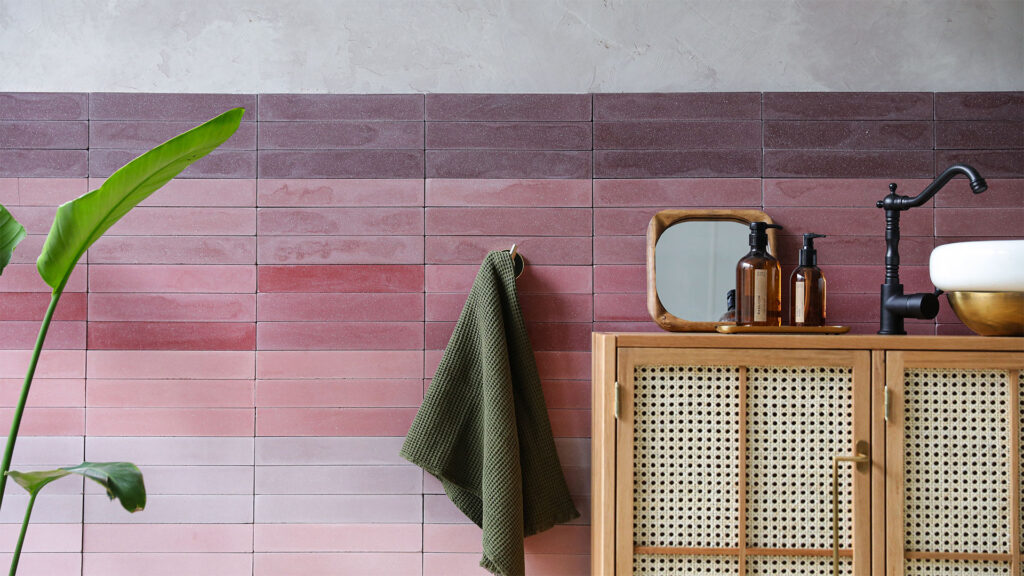
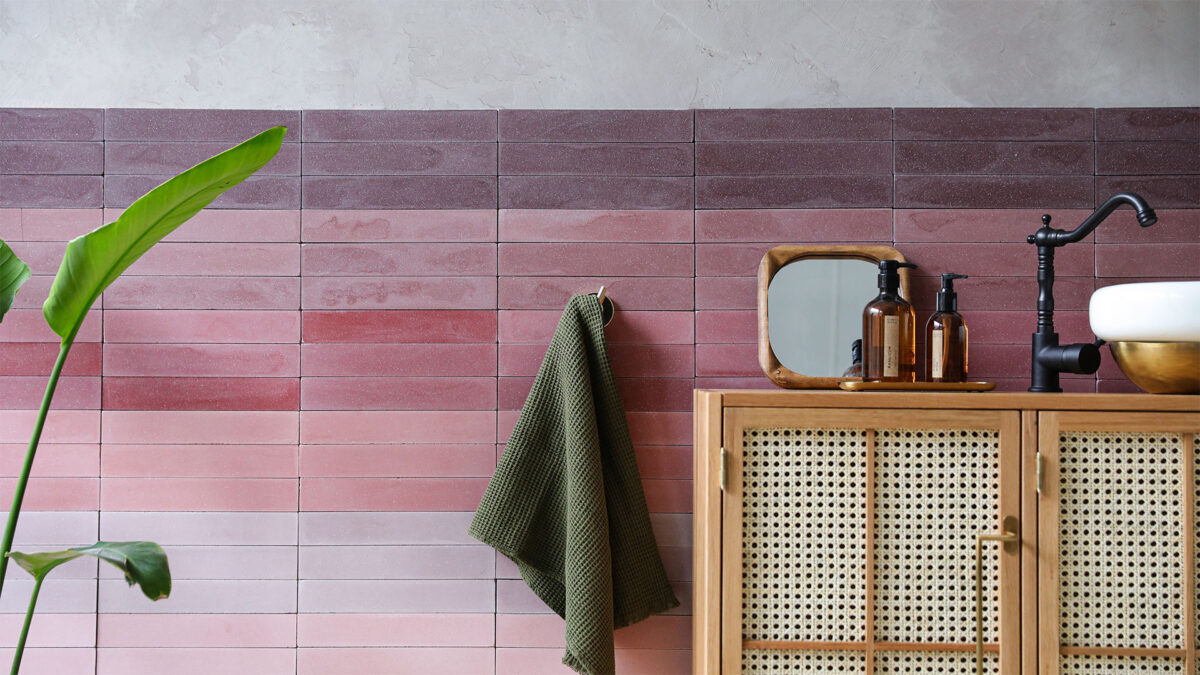
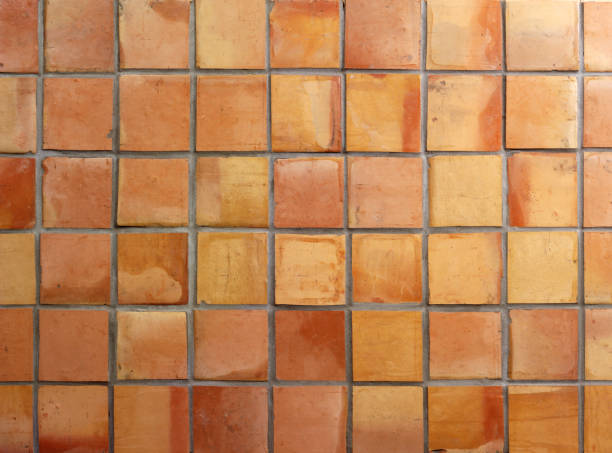
6. Blush & Terracotta

Soft pinks and clay-like tones offer a warm Mediterranean aesthetic that’s becoming increasingly popular in Australia.


Material Innovations in Subway Tiles

2025 is seeing a wave of new materials and technologies in tile manufacturing.

Porcelain Subway Tiles

High durability, minimal maintenance.

Ceramic Handmade Subway Tiles

Adds character and unique imperfections.

Glass Subway Tiles

Modern, reflective, and perfect for contemporary kitchens.

Natural Stone Subway Tiles

Ideal for earthy, organic design styles.

Recycled Eco-Tiles

A strong trend due to Australia’s push for sustainability.
Made from recycled glass, ceramics, or reclaimed waste.


Practical Tips for Choosing the Right Subway Tile

✔ Consider Size

  • Small kitchens benefit from long rectangular subway tiles.
  • Bathrooms with low ceilings look higher with vertical stacked formats.

✔ Select the Right Grout

Grout colour can completely change the look:

  • White grout: clean, classic
  • Coloured grout: bold, statement-making
  • Black grout: industrial and modern

✔ Avoid Overcrowding

If using bold colours, keep furniture minimal to avoid visual clutter.

✔ Match the Tile Finish to Your Style

  • Glossy for bright, reflective surfaces
  • Matte for modern, understated looks
  • Textured for rustic and coastal designs

✔ Test Samples in Different Light

Natural light changes tile colour drastically—always test first.


Expert Styling Ideas for 2025 Homes

  • Pair soft-green subway tiles with oak cabinetry for an Australian coastal look.
  • Use blush tiles with brass tapware for a romantic modern bathroom.
  • Combine navy tiles with white grout for a Hamptons-style kitchen.
  • Use charcoal matte tiles in a vertical stack for a high-end hotel-inspired ensuite.
  • Create a full-height subway tile splashback behind open shelves for a designer touch.

These small changes have enormous visual impact.


Conclusion + Strong CTA

Subway tiles may be rooted in history, but in 2025, they’ve become one of the most creative, flexible, and design-forward materials in Australian renovations. Whether you’re dreaming of a coastal kitchen, a spa-inspired bathroom, or a bold, contemporary feature wall, subway tiles can effortlessly bridge classic charm with contemporary innovation.

From unique layouts to bold colours and handcrafted textures, your renovation can become a true expression of personality and style. The key is choosing the right combinations—ones that elevate your home today and stay timeless for years.

Ready to Transform Your Home?

If you want expert guidance on choosing the perfect subway tiles, layouts, or colour combinations for your renovation, our tile specialists are here to help.
Get personalised recommendations, design inspiration, and renovation-ready tips—start your dream transformation today!


FAQs

1. Are subway tiles still in style in 2025?

Absolutely. Subway tiles are more popular than ever, thanks to modern colours, elongated shapes, and creative patterns like herringbone and vertical stacking. They offer timeless appeal with unlimited styling potential.

2. What is the best colour subway tile for a small bathroom?

Whites, soft neutrals, and pale greens make small bathrooms feel brighter and larger. Glossy finishes also help reflect light.

3. Should I choose matte or glossy subway tiles?

Glossy tiles enhance brightness and are easier to clean. Matte tiles provide a modern, sophisticated look and show fewer fingerprints. Choose based on style and room lighting.

4. What grout colour looks best with subway tiles?

For classic looks, choose matching grout. For bold design statements, choose contrasting grout—such as black grout with white tiles.

5. Are handmade subway tiles worth it?

Yes. Handmade tiles add texture, depth, and authenticity, making your renovation look custom and high-end.

Categories
bathroom tiles

The Surprising Versatility of Subway Tiles in Modern Interiors

Introduction

Subway tiles may seem like a simple design choice, but their power to transform a space is anything but ordinary. Known for their clean lines, adaptability, and classic appeal, subway tiles have become a staple in modern interior design. Whether used in kitchens, bathrooms, or even living areas, their versatility allows them to complement countless design styles—from traditional to contemporary.

History and Origins of Subway Tiles

The story of subway tiles began in 1904 when they were first installed in the New York City subway system. Designers George C. Heins and Christopher Grant La Farge chose the glossy white, rectangular tiles for their ability to reflect light, create a sense of cleanliness, and withstand heavy use. Their iconic 3×6-inch size quickly caught on in residential and commercial spaces, setting the stage for over a century of popularity.

Why Subway Tiles Are Timeless

What makes subway tiles timeless is their ability to adapt to changing design trends while retaining their original charm. Their minimalist form blends with virtually any aesthetic—industrial lofts, coastal retreats, farmhouse kitchens, and sleek modern apartments alike. They’re budget-friendly, widely available, and can be styled in endless ways, ensuring they remain a designer favorite generation after generation.

See more: Why Hiring a Buyers Agent in Sydney Could Be Your Smartest Property Move

Different Types of Subway Tiles

Materials

  • Ceramic Subway Tiles – Affordable, durable, and available in endless colors and finishes.
  • Glass Subway Tiles – Add a reflective quality, brightening up spaces and giving bathrooms or kitchens a sleek, modern edge.
  • Marble Subway Tiles – A luxurious option that infuses elegance and natural variation into interiors.
  • Porcelain Subway Tiles – Denser and more water-resistant than ceramic, making them ideal for high-moisture areas.

Finishes

  • Glossy Finish – Classic and reflective, ideal for brightening darker rooms.
  • Matte Finish – Offers a contemporary, understated look.
  • Textured Tiles – Add dimension and tactile appeal, perfect for feature walls.

Sizes

While the standard 3×6-inch tile is iconic, modern variations include 2×4, 4×12, or even oversized rectangular slabs for a bolder statement. Playing with proportions allows homeowners to create unique patterns and visual interest.

Creative Ways to Use Subway Tiles

Subway tiles aren’t just for backsplashes anymore—they can be used in countless creative applications:


 Subway Tiles
  • Kitchen Backsplashes – Pair classic white subway tiles with dark grout for a striking, graphic look.
  • Bathroom Walls – Use vertically stacked subway tiles to add height and modern flair.
  • Fireplace Surrounds – Bring subtle texture and elegance to living spaces.
  • Accent Walls – Combine colorful or patterned subway tiles for a bold statement in entryways or dining areas.
  • Mixed Patterns – Experiment with herringbone, chevron, or diagonal layouts to add personality.

How to Choose the Right Subway Tiles for Your Space

When choosing subway tiles, consider the overall mood and function of your space:

  • For Small Spaces – Light-colored glossy tiles can make the room feel larger and brighter.
  • For Bold Statements – Dark or colored tiles paired with contrasting grout create drama.
  • For a Luxurious Look – Marble or glass subway tiles elevate a space with sophistication.
  • For Seamlessness – Match grout to tile color for a clean, continuous appearance.

Subway Tiles in Modern Interior Design

Today’s interior designers embrace subway tiles not only for their practicality but also for their ability to bridge styles. In minimalist spaces, they provide crisp lines and subtle texture. In eclectic interiors, they serve as a grounding element amid bold colors and patterns. Paired with wood, metals, or natural stone, subway tiles balance warmth and modernity, proving their place in nearly every design movement.

Installing Subway Tiles: DIY or Professional?

Installing subway tiles can be a DIY project if you have the right tools and patience. However, achieving clean grout lines and precise alignment requires skill. For larger areas, complex layouts, or premium materials like marble, hiring a professional ensures polished, lasting results. Professionals can also properly waterproof areas like showers, which is crucial for longevity.

Maintaining Subway Tiles

Subway tiles are as practical as they are beautiful. With minimal upkeep, they can last decades:

  • Routine Cleaning – A mild soap and water solution keeps tiles spotless.
  • Grout Care – Regular sealing prevents discoloration and mold buildup.
  • Avoid Harsh Chemicals – Use gentle cleaners to protect finishes, especially on marble or glass.
  • Quick Wipe-Downs – Regular maintenance prevents stains from settling.

Conclusion

From their humble beginnings in the New York City subway system to their current role as a design essential, subway tiles have proven to be both timeless and endlessly adaptable. Their versatility allows homeowners and designers to craft spaces that are classic, modern, or somewhere in between. Whether you’re renovating a bathroom, upgrading a kitchen backsplash, or creating a striking accent wall, subway tiles remain one of the most stylish, practical, and enduring choices in modern interiors.

FAQs

Can subway tiles work in both traditional and modern interiors?

Absolutely. Subway tiles’ simple, rectangular shape allows them to blend seamlessly with virtually any design style. In traditional interiors, they provide a clean backdrop, while in modern spaces, they can be styled with bold grout or unique layouts to create a contemporary edge.

Are subway tiles only suitable for kitchens and bathrooms?

Not at all. While kitchens and bathrooms are popular choices, subway tiles can enhance living rooms, entryways, or even fireplaces. Their durability and wide range of finishes make them suitable for almost any space in the home.

Do subway tiles make small rooms look bigger?

Yes. Light-colored glossy subway tiles can reflect natural and artificial light, making small spaces feel brighter and more open. Arranging tiles vertically can also add height to walls, further enhancing the sense of spaciousness.

What’s the best grout color to pair with subway tiles?

It depends on the look you want. Matching grout creates a seamless and subtle effect, while contrasting grout highlights the tile pattern for a more dramatic look. For example, white tiles with black grout create a bold, graphic aesthetic.