
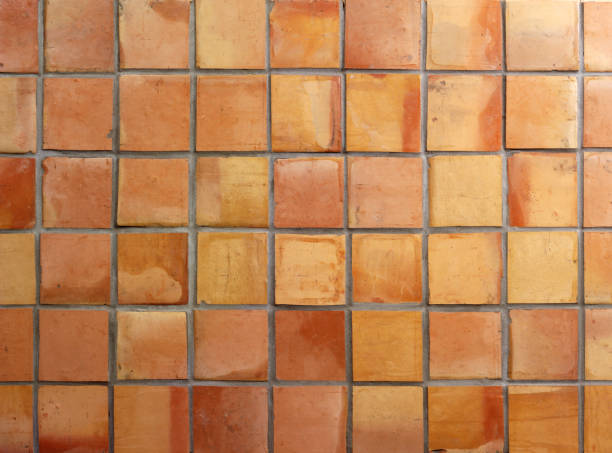
The humble subway tile is a design icon that has transitioned from the 1904 New York City underground to the heart of modern Australian homes. While its origins are rooted in utility, its future lies in versatility. Today, The Modern Guide to Subway Tiles: 7 Creative Layouts Beyond the Classic Brick explores how this simple ceramic rectangle can be reimagined to suit contemporary tastes, from sleek Melbourne apartments to sprawling coastal retreats in Queensland.
Whether you are planning a kitchen splashback or a floor-to-ceiling bathroom feature, the layout you choose defines the entire room’s energy. In this guide, we move past the traditional “running bond” to explore geometric patterns that add texture, height, and architectural interest to your space.
See more: The Surprising Versatility of Subway Tiles in Modern Interiors
What is a Subway Tile? Understanding the Anatomy
Originally, subway tiles were defined as 3×6 inch (roughly 75x150mm) white, glazed ceramic rectangles. In the modern Australian market, the term has expanded. We now see variations in:
- Size: From “finger” tiles (kit-kats) to oversized 100x300mm planks.
- Finish: High-gloss, matte, “zellige-style” handmade textures, and tumbled edges.
- Material: Traditional ceramic, porcelain, glass, and even natural stone like Carrara marble.
Why Subway Tiles Remain the Top Choice for Renovators
The enduring popularity of these tiles isn’t just about nostalgia. From a senior designer’s perspective, they offer:
- Cost-Effectiveness: High-impact look for a relatively low price per square metre.
- Durability: Easy to clean and resistant to moisture—perfect for wet areas.
- Versatility: They act as a “neutral” base that allows other fixtures (like brass tapware) to shine.
The Modern Guide to Subway Tiles: 7 Creative Layouts Beyond the Classic Brick
If you want to elevate your renovation, the secret isn’t necessarily a more expensive tile; it’s a more intentional layout. Here are seven patterns that are currently dominating Australian interior design.
1. Vertical Stack Bond (The Modern Minimalist)
By turning the tile 90 degrees and aligning the joints perfectly, you create a grid of vertical lines.
- The Effect: It draws the eye upward, making low ceilings feel significantly higher.
- Best For: Modern Australian kitchens and small ensuite bathrooms.
- Pro Tip: Use a contrasting grout to highlight the precision of the stack.
2. Horizontal Stack Bond (The Mid-Century Grid)
Similar to the vertical stack but laid horizontally. This creates a clean, organized look reminiscent of mid-century modern architecture.
- The Effect: Provides a sense of stability and calmness.
- Best For: Large wall surfaces where you want texture without visual “noise.”
3. Traditional Herringbone
The tiles are set at a 45-degree angle to create a “V” shape. This is perhaps the most popular premium layout in Australia right now.
- The Effect: Adds a sense of luxury and movement.
- Best For: Feature walls and splashbacks.
- Note: This layout requires more “wastage” (approx. 15%) due to the intricate cuts at the edges.
4. 90-Degree Herringbone (Step Ladder)
A variation of the herringbone where the tiles are set at 90-degree angles to the floor/ceiling rather than 45 degrees.
- The Effect: It looks more contemporary and “architectural” than the traditional version.
- Best For: Shower alcoves and narrow laundry splashbacks.
5. Vertical Offset (The Vertical Brick)
This is the classic brick bond turned on its side. The tiles are staggered vertically.
- The Effect: A quirky twist on tradition that feels fresh and unexpected.
- Best For: Creating a “waterfall” effect in showers.
6. Basketweave
Pairs of tiles are laid horizontally, followed by a pair laid vertically.
- The Effect: Creates a woven, tactile appearance that mimics fabric or basketry.
- Best For: Floor applications or traditional “Hamptons-style” Australian homes.
7. Crosshatch (Double Stack)
Two tiles are stacked horizontally, then two vertically.
- The Effect: Bold, geometric, and artistic.
- Best For: Small accent areas or powder rooms where you want a “wow” factor.
Comparing Subway Tile Layouts: At a Glance
| Layout | Difficulty | Visual Impact | Recommended Grout |
| Vertical Stack | Medium | High (Adds height) | Contrast color |
| Herringbone | High | Very High (Luxury) | Matching color |
| Basketweave | High | Medium (Texture) | Subtle grey |
| Brick Bond | Low | Low (Classic) | Any |
Technical Considerations: Grout and Finish
Choosing the layout is only half the battle. To ensure your subway tiles look professional and last for decades, consider these technical factors:
Selecting the Right Grout
In Australia, Mapei and Ardex are the industry standards for grout. Your choice of grout colour can change the tile’s look entirely:
- Matching Grout: Creates a seamless, monolithic look (e.g., white tile with white grout).
- Contrasting Grout: Highlights the pattern (e.g., white tile with charcoal grout).
- Epoxy Grout: Highly recommended for kitchen splashbacks as it is stain-proof and easier to scrub.
Edge Finishing
How do you end a tile run?
- Bullnose Tiles: Tiles with one rounded edge.
- Mitred Edges: Cutting two tiles at 45 degrees to meet at a corner (the cleanest look).
- Aluminium/Brass Trims: Modern strips that hide the raw edge of the tile.
Step-by-Step: How to Plan Your Subway Tile Layout
- Calculate Surface Area: Measure height x width and add 10-15% for cuts and breakages.
- Dry Lay: Before applying adhesive, lay your tiles out on the floor to see how the pattern ends at the corners.
- Find the Centre Point: Always start tiling from the centre of the wall and work outwards to ensure symmetrical cuts on both sides.
- Use Spacers: For subway tiles, 1.5mm to 2mm spacers are standard for a sophisticated finish.
Common Mistakes to Avoid
- Ignoring Light Sources: Glossy subway tiles reflect a lot of light. If placed opposite a large window, the glare can be blinding.
- Poor Substrate Preparation: Ensure your wall is perfectly flat. Because subway tiles are often thin, any “bowing” in the wall will cause the tiles to “lippage” (stick out).
- Wrong Grout Gap: Trying to do a “butt-joint” (no grout) with ceramic tiles often leads to cracking as the house settles.
FAQ: Frequently Asked Questions
What is the most popular subway tile size in Australia?
While the 75x150mm is classic, the 100x300mm is currently the top choice for Australian renovators as it creates fewer grout lines and a cleaner look.
Can I use subway tiles on the floor?
Generally, no. Most subway tiles are ceramic and meant for walls only. However, if you find a porcelain subway tile with a suitable slip rating (R10 or higher), it can be used on floors.
How much extra tile should I buy for a herringbone pattern?
Because herringbone requires diagonal cuts against every straight edge, you should allow for 15% wastage, compared to 10% for a standard brick bond.
Are subway tiles going out of style?
No. Because they are a “shape” rather than a “print,” they are considered a timeless architectural element. The way they are laid changes with trends, but the tile itself is a permanent fixture in design.
What is the best tile for a small kitchen?
A Vertical Stack subway tile is excellent for small kitchens as it elongates the distance between the benchtop and the overhead cupboards.
Conclusion: Elevating Your Space
The Modern Guide to Subway Tiles: 7 Creative Layouts Beyond the Classic Brick demonstrates that even the most affordable materials can look like high-end architectural features when applied with creativity. Whether you choose the sharp lines of a vertical stack or the movement of a herringbone, your layout is the bridge between a “standard” renovation and a designer home.
Ready to start your project? * [Internal Link Suggestion: Guide to Choosing the Right Grout Colour]
- [Internal Link Suggestion: Top 10 Kitchen Splashback Trends in Australia]
- Expert Reference: Refer to the Australian Tile Council for technical standards on slip resistance and installation.
- Design Reference: Look at the Design Institute of Australia (DIA) for case studies on modern residential interiors.