Categories
Subway Tiles

Modern Guide to Subway Tiles: 7 Creative Layouts & Ideas

The humble subway tile is a design icon that has transitioned from the 1904 New York City underground to the heart of modern Australian homes. While its origins are rooted in utility, its future lies in versatility. Today, The Modern Guide to Subway Tiles: 7 Creative Layouts Beyond the Classic Brick explores how this simple ceramic rectangle can be reimagined to suit contemporary tastes, from sleek Melbourne apartments to sprawling coastal retreats in Queensland.

Whether you are planning a kitchen splashback or a floor-to-ceiling bathroom feature, the layout you choose defines the entire room’s energy. In this guide, we move past the traditional “running bond” to explore geometric patterns that add texture, height, and architectural interest to your space.

See more: The Surprising Versatility of Subway Tiles in Modern Interiors


What is a Subway Tile? Understanding the Anatomy

Originally, subway tiles were defined as 3×6 inch (roughly 75x150mm) white, glazed ceramic rectangles. In the modern Australian market, the term has expanded. We now see variations in:

  • Size: From “finger” tiles (kit-kats) to oversized 100x300mm planks.
  • Finish: High-gloss, matte, “zellige-style” handmade textures, and tumbled edges.
  • Material: Traditional ceramic, porcelain, glass, and even natural stone like Carrara marble.

Why Subway Tiles Remain the Top Choice for Renovators

The enduring popularity of these tiles isn’t just about nostalgia. From a senior designer’s perspective, they offer:

  1. Cost-Effectiveness: High-impact look for a relatively low price per square metre.
  2. Durability: Easy to clean and resistant to moisture—perfect for wet areas.
  3. Versatility: They act as a “neutral” base that allows other fixtures (like brass tapware) to shine.

The Modern Guide to Subway Tiles: 7 Creative Layouts Beyond the Classic Brick

If you want to elevate your renovation, the secret isn’t necessarily a more expensive tile; it’s a more intentional layout. Here are seven patterns that are currently dominating Australian interior design.

1. Vertical Stack Bond (The Modern Minimalist)

By turning the tile 90 degrees and aligning the joints perfectly, you create a grid of vertical lines.

  • The Effect: It draws the eye upward, making low ceilings feel significantly higher.
  • Best For: Modern Australian kitchens and small ensuite bathrooms.
  • Pro Tip: Use a contrasting grout to highlight the precision of the stack.

2. Horizontal Stack Bond (The Mid-Century Grid)

Similar to the vertical stack but laid horizontally. This creates a clean, organized look reminiscent of mid-century modern architecture.

  • The Effect: Provides a sense of stability and calmness.
  • Best For: Large wall surfaces where you want texture without visual “noise.”

3. Traditional Herringbone

The tiles are set at a 45-degree angle to create a “V” shape. This is perhaps the most popular premium layout in Australia right now.

  • The Effect: Adds a sense of luxury and movement.
  • Best For: Feature walls and splashbacks.
  • Note: This layout requires more “wastage” (approx. 15%) due to the intricate cuts at the edges.

4. 90-Degree Herringbone (Step Ladder)

A variation of the herringbone where the tiles are set at 90-degree angles to the floor/ceiling rather than 45 degrees.

  • The Effect: It looks more contemporary and “architectural” than the traditional version.
  • Best For: Shower alcoves and narrow laundry splashbacks.

5. Vertical Offset (The Vertical Brick)

This is the classic brick bond turned on its side. The tiles are staggered vertically.

  • The Effect: A quirky twist on tradition that feels fresh and unexpected.
  • Best For: Creating a “waterfall” effect in showers.

6. Basketweave

Pairs of tiles are laid horizontally, followed by a pair laid vertically.

  • The Effect: Creates a woven, tactile appearance that mimics fabric or basketry.
  • Best For: Floor applications or traditional “Hamptons-style” Australian homes.

7. Crosshatch (Double Stack)

Two tiles are stacked horizontally, then two vertically.

  • The Effect: Bold, geometric, and artistic.
  • Best For: Small accent areas or powder rooms where you want a “wow” factor.
Subway Tiles

Comparing Subway Tile Layouts: At a Glance

LayoutDifficultyVisual ImpactRecommended Grout
Vertical StackMediumHigh (Adds height)Contrast color
HerringboneHighVery High (Luxury)Matching color
BasketweaveHighMedium (Texture)Subtle grey
Brick BondLowLow (Classic)Any

Technical Considerations: Grout and Finish

Choosing the layout is only half the battle. To ensure your subway tiles look professional and last for decades, consider these technical factors:

Selecting the Right Grout

In Australia, Mapei and Ardex are the industry standards for grout. Your choice of grout colour can change the tile’s look entirely:

  • Matching Grout: Creates a seamless, monolithic look (e.g., white tile with white grout).
  • Contrasting Grout: Highlights the pattern (e.g., white tile with charcoal grout).
  • Epoxy Grout: Highly recommended for kitchen splashbacks as it is stain-proof and easier to scrub.

Edge Finishing

How do you end a tile run?

  • Bullnose Tiles: Tiles with one rounded edge.
  • Mitred Edges: Cutting two tiles at 45 degrees to meet at a corner (the cleanest look).
  • Aluminium/Brass Trims: Modern strips that hide the raw edge of the tile.

Step-by-Step: How to Plan Your Subway Tile Layout

  1. Calculate Surface Area: Measure height x width and add 10-15% for cuts and breakages.
  2. Dry Lay: Before applying adhesive, lay your tiles out on the floor to see how the pattern ends at the corners.
  3. Find the Centre Point: Always start tiling from the centre of the wall and work outwards to ensure symmetrical cuts on both sides.
  4. Use Spacers: For subway tiles, 1.5mm to 2mm spacers are standard for a sophisticated finish.

Common Mistakes to Avoid

  • Ignoring Light Sources: Glossy subway tiles reflect a lot of light. If placed opposite a large window, the glare can be blinding.
  • Poor Substrate Preparation: Ensure your wall is perfectly flat. Because subway tiles are often thin, any “bowing” in the wall will cause the tiles to “lippage” (stick out).
  • Wrong Grout Gap: Trying to do a “butt-joint” (no grout) with ceramic tiles often leads to cracking as the house settles.

FAQ: Frequently Asked Questions

What is the most popular subway tile size in Australia?

While the 75x150mm is classic, the 100x300mm is currently the top choice for Australian renovators as it creates fewer grout lines and a cleaner look.

Can I use subway tiles on the floor?

Generally, no. Most subway tiles are ceramic and meant for walls only. However, if you find a porcelain subway tile with a suitable slip rating (R10 or higher), it can be used on floors.

How much extra tile should I buy for a herringbone pattern?

Because herringbone requires diagonal cuts against every straight edge, you should allow for 15% wastage, compared to 10% for a standard brick bond.

Are subway tiles going out of style?

No. Because they are a “shape” rather than a “print,” they are considered a timeless architectural element. The way they are laid changes with trends, but the tile itself is a permanent fixture in design.

What is the best tile for a small kitchen?

A Vertical Stack subway tile is excellent for small kitchens as it elongates the distance between the benchtop and the overhead cupboards.


Conclusion: Elevating Your Space

The Modern Guide to Subway Tiles: 7 Creative Layouts Beyond the Classic Brick demonstrates that even the most affordable materials can look like high-end architectural features when applied with creativity. Whether you choose the sharp lines of a vertical stack or the movement of a herringbone, your layout is the bridge between a “standard” renovation and a designer home.

Ready to start your project? * [Internal Link Suggestion: Guide to Choosing the Right Grout Colour]

  • [Internal Link Suggestion: Top 10 Kitchen Splashback Trends in Australia]
  • Expert Reference: Refer to the Australian Tile Council for technical standards on slip resistance and installation.
  • Design Reference: Look at the Design Institute of Australia (DIA) for case studies on modern residential interiors.
Categories
bathroom tiles

From Classic to Contemporary: Creative Ways to Use Subway Tiles in Your Renovation


Detailed Outline (Hidden Inside the Writing — No TOC Displayed)

  • Introduction (Engaging, SEO-friendly)
  • What Makes Subway Tiles Timeless
  • Why Subway Tiles Continue to Trend in Modern Renovations
  • Creative Uses of Subway Tiles in Kitchens
  • Subway Tiles in Bathrooms: Classic to Bold Applications
  • Unique Layout Patterns That Transform Spaces
  • Modern Colour Palettes and Finishes
  • Material Innovations
  • Practical Tips for Choosing the Right Subway Tile
  • Expert Styling Ideas for 2025 Homes
  • Conclusion + Strong CTA
  • FAQs
  • Metadata (SEO)

Engagement SEO Blog Intro

Renovating your home is one of those rare moments where creativity meets possibility—where a single design choice can completely reshape how you live every day. And for many Australian homeowners, that design hero is none other than the iconic subway tile. Simple, stylish, and endlessly adaptable, subway tiles have evolved far beyond their classic white glossy origins. Today, they’re a design canvas that can transform kitchens, bathrooms, laundries, and even outdoor spaces.

But here’s the challenge: with countless colours, patterns, sizes, and finishes available in 2025, how do you choose subway tiles that feel fresh, modern, and uniquely you? And more importantly—how do you use them creatively in your renovation so your home doesn’t look like every other renovation on Instagram?

In this expert guide, we explore innovative, contemporary, and unexpectedly beautiful ways to use subway tiles, blending timeless charm with modern sophistication. Whether you’re aiming for minimalist elegance, moody drama, or a playful twist on tradition, we’ll show you how subway tiles can elevate any space.


From Classic to Contemporary: Creative Ways to Use Subway Tiles in Your Renovation (Full 2,000+ Word SEO Blog)

What Makes Subway Tiles Timeless?

Subway tiles have been loved for more than 100 years—and they’re not slowing down. Originally designed for the New York subway system in 1904, their clean lines and reflective glaze made underground stations feel brighter and more hygienic. Today, those same qualities make them perfect for Australian homes.

Here is why they remain timeless:

  • Versatility: Works in traditional, modern, coastal, industrial, and farmhouse interiors.
  • Affordability: A budget-friendly option for high-impact transformations.
  • Durability: Easy to clean and long-lasting, especially in kitchens and bathrooms.
  • Aesthetic Flexibility: Can be styled minimal or dramatic through layout or colour.

According to trends from Australian interior design surveys, subway tiles appear in over 60% of kitchen renovations, proving their unmatched popularity.


Why Subway Tiles Continue to Trend in 2025

In 2025, the narrative around subway tiles is shifting. Homeowners want materials that are:

  • low-maintenance
  • sustainable
  • customisable
  • future-proof

Modern design emphasises texture, personality, and layered styling—all things subway tiles are perfect for.

2025 Subway Tile Trends at a Glance

✔ Textured and handmade finishes
✔ Earthy colours (sage, sand, terracotta)
✔ Bold glossy statement colours
✔ Elongated subway formats (2×10, 3×12)
✔ Vertical stacking
✔ Mixed-width layouts

These trends give subway tiles new life far beyond the classic 3×6 white rectangle.


Creative Ways to Use Subway Tiles in Kitchens

1. Vertical Stacked Splashbacks

Vertical stacking creates the illusion of higher ceilings, making this trend perfect for smaller Australian kitchens.
This modern look works especially well with:

See more: Beyond the Basics: Creative Layouts with Herringbone Tiles

  • matte black tapware
  • timber cabinetry
  • modern terrazzo benchtops

2. Wraparound Feature Walls

Instead of limiting tiles to the splashback, extend them to the entire kitchen wall.
Benefits include:

  • dramatic visual cohesion
  • better durability
  • designer-level finish

This is popular in minimalist, Scandinavian, and Japandi kitchens.

3. Two-Tone Colour Blocking

Use contrasting tile colours to define zones.
Examples:

  • white tiles near cooking areas, coloured tiles near serving zones
  • dark tiles under cabinetry, light tiles above

This adds visual interest while keeping the overall style clean.

4. Textured Handmade Tiles

Handmade subway tiles with uneven surfaces and artisanal glaze are trending in 2025 for their organic, lived-in look.
These pair beautifully with natural stone and warm gold accent tones.


Subway Tiles in Bathrooms: From Spa-like to Ultra-Modern

1. Full-Height Shower Walls

Take tiles from floor to ceiling for a luxurious spa feel.
Ideal tile choices:

  • soft sage gloss
  • off-white textured
  • deep ocean blue matte

2. The “Wet Room” Effect

Using one subway tile colour across the entire bathroom makes the space feel larger and more elevated.
2025’s most requested wet room tiles include:

  • eucalyptus green
  • charcoal grey
  • creamy neutral gloss

3. Feature Niches Using Contrasting Subway Tiles

Shower niches are perfect spots to add:

  • metallic tiles
  • textured tiles
  • colourful tiles like mustard or navy

This provides a bold but controlled design moment.

4. Herringbone on Walls

For homeowners who want subtle luxury without overwhelming the room, herringbone subway tile layouts create dynamic movement and sophistication.


Unique Subway Tile Layout Patterns That Transform Spaces

1. Classic Running Bond

A timeless, staggered look—still popular but now often used with longer-format subway tiles.

Subway Tiles

2. Modern Stacked Bond

Tiles aligned perfectly.
Variations include:

  • vertical stacked
  • horizontal stacked

3. Herringbone

Perfect for feature walls and splashbacks.
Creates instant texture and visual depth.

4. Double Herringbone

A bolder version suited for larger kitchens and bathrooms.

5. Basketweave

A creative layout that uses contrast grout for a designer aesthetic.

6. Chevron (Not the Same as Herringbone!)

A sophisticated V-shaped zigzag pattern created through angled tile edges.


Trending Subway Tile Colours for 2025 Renovations

1. Classic White (Forever Trending)

Still the most popular subway tile colour due to its bright, hygienic appearance.
But in 2025, homeowners are choosing:

  • glossy white with bevelled edges
  • matte white for modern minimalism
  • handmade white for rustic charm

2. Earthy Greens

Green continues to dominate renovation palettes because it brings nature indoors.
Top shades:

  • eucalyptus
  • sage
  • olive
  • forest green

3. Soft Neutrals

Warm tones are replacing cool grey.
Trending neutral subway tile colours:

  • sand
  • beige
  • cashmere
  • ivory
  • mushroom

4. Deep Blues

Stylish, confident and modern.
Perfect for moody bathrooms or sophisticated kitchens.
Top 2025 shades:

  • navy
  • midnight
  • steel blue

5. Matte Black & Charcoal

A choice for luxury homes and bold renovations.
Pairs beautifully with:

  • timber
  • brushed gold fixtures
  • natural stone

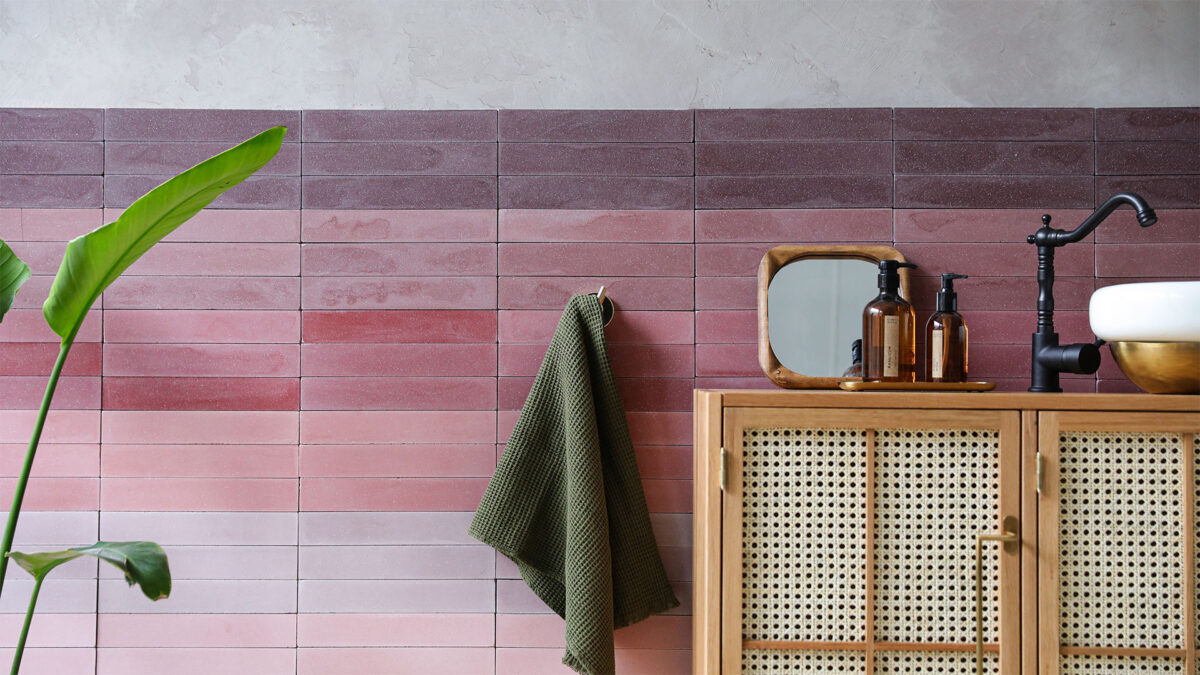
6. Blush & Terracotta

Soft pinks and clay-like tones offer a warm Mediterranean aesthetic that’s becoming increasingly popular in Australia.


Material Innovations in Subway Tiles

2025 is seeing a wave of new materials and technologies in tile manufacturing.

Porcelain Subway Tiles

High durability, minimal maintenance.

Ceramic Handmade Subway Tiles

Adds character and unique imperfections.

Glass Subway Tiles

Modern, reflective, and perfect for contemporary kitchens.

Natural Stone Subway Tiles

Ideal for earthy, organic design styles.

Recycled Eco-Tiles

A strong trend due to Australia’s push for sustainability.
Made from recycled glass, ceramics, or reclaimed waste.


Practical Tips for Choosing the Right Subway Tile

✔ Consider Size

  • Small kitchens benefit from long rectangular subway tiles.
  • Bathrooms with low ceilings look higher with vertical stacked formats.

✔ Select the Right Grout

Grout colour can completely change the look:

  • White grout: clean, classic
  • Coloured grout: bold, statement-making
  • Black grout: industrial and modern

✔ Avoid Overcrowding

If using bold colours, keep furniture minimal to avoid visual clutter.

✔ Match the Tile Finish to Your Style

  • Glossy for bright, reflective surfaces
  • Matte for modern, understated looks
  • Textured for rustic and coastal designs

✔ Test Samples in Different Light

Natural light changes tile colour drastically—always test first.


Expert Styling Ideas for 2025 Homes

  • Pair soft-green subway tiles with oak cabinetry for an Australian coastal look.
  • Use blush tiles with brass tapware for a romantic modern bathroom.
  • Combine navy tiles with white grout for a Hamptons-style kitchen.
  • Use charcoal matte tiles in a vertical stack for a high-end hotel-inspired ensuite.
  • Create a full-height subway tile splashback behind open shelves for a designer touch.

These small changes have enormous visual impact.


Conclusion + Strong CTA

Subway tiles may be rooted in history, but in 2025, they’ve become one of the most creative, flexible, and design-forward materials in Australian renovations. Whether you’re dreaming of a coastal kitchen, a spa-inspired bathroom, or a bold, contemporary feature wall, subway tiles can effortlessly bridge classic charm with contemporary innovation.

From unique layouts to bold colours and handcrafted textures, your renovation can become a true expression of personality and style. The key is choosing the right combinations—ones that elevate your home today and stay timeless for years.

Ready to Transform Your Home?

If you want expert guidance on choosing the perfect subway tiles, layouts, or colour combinations for your renovation, our tile specialists are here to help.
Get personalised recommendations, design inspiration, and renovation-ready tips—start your dream transformation today!


FAQs

1. Are subway tiles still in style in 2025?

Absolutely. Subway tiles are more popular than ever, thanks to modern colours, elongated shapes, and creative patterns like herringbone and vertical stacking. They offer timeless appeal with unlimited styling potential.

2. What is the best colour subway tile for a small bathroom?

Whites, soft neutrals, and pale greens make small bathrooms feel brighter and larger. Glossy finishes also help reflect light.

3. Should I choose matte or glossy subway tiles?

Glossy tiles enhance brightness and are easier to clean. Matte tiles provide a modern, sophisticated look and show fewer fingerprints. Choose based on style and room lighting.

4. What grout colour looks best with subway tiles?

For classic looks, choose matching grout. For bold design statements, choose contrasting grout—such as black grout with white tiles.

5. Are handmade subway tiles worth it?

Yes. Handmade tiles add texture, depth, and authenticity, making your renovation look custom and high-end.

Categories
bathroom tiles

The Surprising Versatility of Subway Tiles in Modern Interiors

Introduction

Subway tiles may seem like a simple design choice, but their power to transform a space is anything but ordinary. Known for their clean lines, adaptability, and classic appeal, subway tiles have become a staple in modern interior design. Whether used in kitchens, bathrooms, or even living areas, their versatility allows them to complement countless design styles—from traditional to contemporary.

History and Origins of Subway Tiles

The story of subway tiles began in 1904 when they were first installed in the New York City subway system. Designers George C. Heins and Christopher Grant La Farge chose the glossy white, rectangular tiles for their ability to reflect light, create a sense of cleanliness, and withstand heavy use. Their iconic 3×6-inch size quickly caught on in residential and commercial spaces, setting the stage for over a century of popularity.

Why Subway Tiles Are Timeless

What makes subway tiles timeless is their ability to adapt to changing design trends while retaining their original charm. Their minimalist form blends with virtually any aesthetic—industrial lofts, coastal retreats, farmhouse kitchens, and sleek modern apartments alike. They’re budget-friendly, widely available, and can be styled in endless ways, ensuring they remain a designer favorite generation after generation.

See more: Why Hiring a Buyers Agent in Sydney Could Be Your Smartest Property Move

Different Types of Subway Tiles

Materials

  • Ceramic Subway Tiles – Affordable, durable, and available in endless colors and finishes.
  • Glass Subway Tiles – Add a reflective quality, brightening up spaces and giving bathrooms or kitchens a sleek, modern edge.
  • Marble Subway Tiles – A luxurious option that infuses elegance and natural variation into interiors.
  • Porcelain Subway Tiles – Denser and more water-resistant than ceramic, making them ideal for high-moisture areas.

Finishes

  • Glossy Finish – Classic and reflective, ideal for brightening darker rooms.
  • Matte Finish – Offers a contemporary, understated look.
  • Textured Tiles – Add dimension and tactile appeal, perfect for feature walls.

Sizes

While the standard 3×6-inch tile is iconic, modern variations include 2×4, 4×12, or even oversized rectangular slabs for a bolder statement. Playing with proportions allows homeowners to create unique patterns and visual interest.

Creative Ways to Use Subway Tiles

Subway tiles aren’t just for backsplashes anymore—they can be used in countless creative applications:


 Subway Tiles
  • Kitchen Backsplashes – Pair classic white subway tiles with dark grout for a striking, graphic look.
  • Bathroom Walls – Use vertically stacked subway tiles to add height and modern flair.
  • Fireplace Surrounds – Bring subtle texture and elegance to living spaces.
  • Accent Walls – Combine colorful or patterned subway tiles for a bold statement in entryways or dining areas.
  • Mixed Patterns – Experiment with herringbone, chevron, or diagonal layouts to add personality.

How to Choose the Right Subway Tiles for Your Space

When choosing subway tiles, consider the overall mood and function of your space:

  • For Small Spaces – Light-colored glossy tiles can make the room feel larger and brighter.
  • For Bold Statements – Dark or colored tiles paired with contrasting grout create drama.
  • For a Luxurious Look – Marble or glass subway tiles elevate a space with sophistication.
  • For Seamlessness – Match grout to tile color for a clean, continuous appearance.

Subway Tiles in Modern Interior Design

Today’s interior designers embrace subway tiles not only for their practicality but also for their ability to bridge styles. In minimalist spaces, they provide crisp lines and subtle texture. In eclectic interiors, they serve as a grounding element amid bold colors and patterns. Paired with wood, metals, or natural stone, subway tiles balance warmth and modernity, proving their place in nearly every design movement.

Installing Subway Tiles: DIY or Professional?

Installing subway tiles can be a DIY project if you have the right tools and patience. However, achieving clean grout lines and precise alignment requires skill. For larger areas, complex layouts, or premium materials like marble, hiring a professional ensures polished, lasting results. Professionals can also properly waterproof areas like showers, which is crucial for longevity.

Maintaining Subway Tiles

Subway tiles are as practical as they are beautiful. With minimal upkeep, they can last decades:

  • Routine Cleaning – A mild soap and water solution keeps tiles spotless.
  • Grout Care – Regular sealing prevents discoloration and mold buildup.
  • Avoid Harsh Chemicals – Use gentle cleaners to protect finishes, especially on marble or glass.
  • Quick Wipe-Downs – Regular maintenance prevents stains from settling.

Conclusion

From their humble beginnings in the New York City subway system to their current role as a design essential, subway tiles have proven to be both timeless and endlessly adaptable. Their versatility allows homeowners and designers to craft spaces that are classic, modern, or somewhere in between. Whether you’re renovating a bathroom, upgrading a kitchen backsplash, or creating a striking accent wall, subway tiles remain one of the most stylish, practical, and enduring choices in modern interiors.

FAQs

Can subway tiles work in both traditional and modern interiors?

Absolutely. Subway tiles’ simple, rectangular shape allows them to blend seamlessly with virtually any design style. In traditional interiors, they provide a clean backdrop, while in modern spaces, they can be styled with bold grout or unique layouts to create a contemporary edge.

Are subway tiles only suitable for kitchens and bathrooms?

Not at all. While kitchens and bathrooms are popular choices, subway tiles can enhance living rooms, entryways, or even fireplaces. Their durability and wide range of finishes make them suitable for almost any space in the home.

Do subway tiles make small rooms look bigger?

Yes. Light-colored glossy subway tiles can reflect natural and artificial light, making small spaces feel brighter and more open. Arranging tiles vertically can also add height to walls, further enhancing the sense of spaciousness.

What’s the best grout color to pair with subway tiles?

It depends on the look you want. Matching grout creates a seamless and subtle effect, while contrasting grout highlights the tile pattern for a more dramatic look. For example, white tiles with black grout create a bold, graphic aesthetic.

Categories
Buyers Agent

Why Hiring a Buyers Agent in Sydney Could Be Your Smartest Property Move

Sydney’s property market is one of the most dynamic and competitive in the world, and for prospective buyers, navigating it can feel overwhelming. Whether you’re a first-time homebuyer or a seasoned investor, securing the right property at the right price can be a daunting task. The constant rise in property prices, fierce competition, and the intricacies of negotiations make it essential to have expert guidance when buying a property in this fast-paced environment. That’s where a buyer’s agent comes in—your secret weapon for making smarter property moves in Sydney.

The Competitive and Complex Property Market in Sydney

Sydney’s real estate market is notorious for its high demand and skyrocketing prices. With a growing population and limited housing supply, finding the perfect property at a reasonable price can seem like a never-ending battle. Whether you’re eyeing a stylish inner-city apartment or a spacious family home in the suburbs, the sheer volume of properties on offer and the fluctuating market conditions make the process both time-consuming and stressful.

The constant race to secure the best deals in such a competitive environment requires more than just browsing property listings and attending open homes. Buyers need a sharp strategy, keen negotiation skills, and the ability to spot the best opportunities—this is where an experienced buyer’s agent steps in to offer invaluable assistance.

What is a Buyer’s Agent and How Do They Differ from Real Estate Agents?

At the heart of the real estate market, you’ll typically encounter two types of professionals: real estate agents and buyer’s agents. While they both work in property transactions, their roles are quite different.

A real estate agent works for the seller and is tasked with marketing the property, negotiating the sale, and securing the best price for the seller. Their primary goal is to represent the interests of the vendor, not the buyer.

See more: Best 3 Seater Sofas Australia: What to Look for in Quality & Durability

A buyer’s agent, on the other hand, works exclusively for the buyer. Their primary role is to help you find the right property, negotiate the price, and ensure that you make an informed decision throughout the buying process. A buyer’s agent has no vested interest in the seller’s outcome; instead, they focus entirely on securing the best deal for their client—the buyer.

What makes buyer’s agents particularly valuable is their deep local knowledge and expertise. They have a thorough understanding of the market, access to off-market properties, and the negotiation skills necessary to help you secure the best price. While a real estate agent may have a few listings to sell, a buyer’s agent has access to hundreds of properties, including those that aren’t publicly listed yet.

The Benefits of Hiring a Buyer’s Agent in Sydney

Working with a buyer’s agent can be the key to making smarter, more strategic property decisions. Here are some of the most compelling reasons to consider hiring a buyer’s agent in Sydney:

buyers agent Sydney

1. Saving Time

Sydney’s property market can be overwhelming, with new listings appearing daily and properties selling in the blink of an eye. Without expert guidance, you could waste hours—or even days—viewing properties that don’t meet your needs or are priced above your budget.

A buyer’s agent streamlines this process by doing the legwork for you. They’ll curate a shortlist of properties that meet your exact criteria, saving you time and effort. Plus, they’ll know where to look for off-market properties—those that haven’t yet hit the public listings but may be a perfect fit for you.

2. Reducing Stress

Property hunting is not only time-consuming, but it can also be emotionally draining. From dealing with open homes and auction stress to trying to decipher property value and potential, the process can feel like an emotional rollercoaster. A buyer’s agent acts as a calming presence, handling the negotiations, paperwork, and behind-the-scenes details so that you can focus on making a well-informed decision.

3. Expert Negotiation Skills

Sydney’s property market can be intensely competitive, and having the ability to negotiate effectively can make all the difference. A skilled buyer’s agent brings years of experience to the table and knows how to negotiate the best deal on your behalf. Whether it’s reducing the price, securing favorable terms, or navigating the complexities of an auction, a buyer’s agent can secure significant savings.

Imagine you’ve found a property you love, but it’s listed at a price that seems a bit high. A buyer’s agent will have the market knowledge to assess whether the property is truly worth the asking price and will use their negotiation skills to get you a better deal. They’ll also be able to advise on areas where you can make concessions to protect your budget.

4. Access to Off-Market Opportunities

One of the most significant advantages of working with a buyer’s agent is their ability to connect you with off-market properties. These are properties that are not listed publicly and often provide an exclusive advantage to buyers. Whether it’s a property being sold privately or one that’s not yet on the market, buyer’s agents have a network of industry contacts that can give you access to opportunities that the general public doesn’t see.

5. Knowledge of Local Market Trends

Sydney’s property market is constantly shifting, with new developments, changing regulations, and fluctuating demand. A buyer’s agent has their finger on the pulse of the market and understands how to spot the best investment opportunities. They can guide you to areas with strong growth potential, ensuring that you’re not just buying a home, but making a smart investment.

Real-Life Examples of How a Buyer’s Agent Can Help

Let’s consider a hypothetical scenario to illustrate the value of a buyer’s agent.

Imagine you’re a first-time homebuyer looking for a property in Sydney’s Inner West. You’ve scoured real estate websites, attended open homes, and even been to a few auctions, but you’re feeling overwhelmed by the competition and unsure of how to proceed.

Enter a buyer’s agent. After discussing your needs and budget, they’ll quickly identify properties that meet your criteria, some of which you might have missed on your own. They’ll also give you insight into property values in the area, helping you assess whether a property is priced fairly.

When you find the perfect place, your buyer’s agent will manage the negotiation process, ensuring that you get the best possible price. They’ll also assist with the contract review and help you navigate any issues that may arise during the process. Thanks to their expertise and local knowledge, you’re able to secure the property without the stress and confusion that often comes with buying a home in a competitive market.

Conclusion: A Smart Investment for Sydney Buyers

The Sydney property market is challenging, and making the wrong decision can be costly. That’s why hiring a buyer’s agent could be your smartest property move. Their expertise, market knowledge, and negotiation skills can help you navigate the complexities of the market and secure the best deal possible.

Whether you’re looking for your first home, a new investment property, or a place to settle down, working with a buyer’s agent ensures that you’re making an informed, strategic decision. So, before you dive into Sydney’s competitive property market, consider enlisting the help of a buyer’s agent—they might just be the key to finding your perfect property at the best price.

Categories
bathroom tiles

Beyond the Basics: Creative Layouts with Herringbone Tiles

When it comes to adding texture, elegance, and timeless appeal to your home, few patterns stand out as boldly as herringbone tiles. These iconic V-shaped tiles are more than just a trend—they’ve become a staple in modern interior design. While herringbone has long been revered for its classic beauty, it’s now enjoying a resurgence, inspiring homeowners and designers alike to explore creative layouts that move beyond the traditional. With its rich history and versatile aesthetic, herringbone tiles are the perfect way to infuse personality into your home’s design, while remaining chic and sophisticated. But how can you elevate the use of herringbone beyond the basics? Let’s explore how you can create stunning, unique layouts that truly make a statement.

Introduction: The Resurgence of Herringbone Tiles

Herringbone tiles, known for their distinctive zigzag pattern, have a way of transforming any space they occupy. Originating centuries ago, they’ve managed to remain relevant, even in today’s fast-paced design world. Traditionally used in wood floors and paving, these tiles are now available in a range of materials such as ceramic, porcelain, and marble, making them an excellent choice for a variety of settings. Whether used in bathrooms, kitchens, living rooms, or even outdoor spaces, the unique pattern of herringbone adds a sense of elegance and depth to a room.

What makes herringbone tiles even more appealing today is the creative potential they offer. No longer confined to the traditional straight-line layouts, herringbone tiles are being used in innovative ways to make a striking visual statement. This article explores not only the basics of herringbone tiles but also creative layouts that will help you think outside the box and elevate your home’s design.

A Brief History of Herringbone

The herringbone pattern dates back to ancient Roman times, where it was used to create strong and durable roads. The design helped distribute weight evenly and resisted wear, making it a practical choice for centuries. However, it wasn’t just its utility that made the herringbone pattern desirable—it also had an undeniable beauty.

As the centuries passed, the herringbone pattern became a symbol of craftsmanship, first appearing in European parquet floors during the Renaissance period. Aristocrats and wealthy families commissioned elaborate wooden herringbone floors to grace their homes, and the pattern was soon incorporated into furniture, textiles, and architectural details. This association with wealth and fine craftsmanship elevated the pattern into the design classic it is today.

See more: Leather 2-Seater Sofas That Add Style and Function to Any Room

Though the pattern took a backseat for a while, its rich history and enduring beauty have helped it make a successful comeback in modern interiors. Now, designers are exploring new ways to use the herringbone pattern, experimenting with materials, layouts, and spaces in ways that were once unimaginable.

Why Herringbone is Back in Style

Several factors contribute to the renewed popularity of herringbone tiles, both in Australia and globally.

1. Versatility

Herringbone tiles can be used in a variety of ways. Whether you prefer a minimalist, industrial look or something more classical, the flexibility of herringbone allows it to work across different design aesthetics. The pattern can fit seamlessly into contemporary kitchens, rustic bathrooms, traditional living rooms, and even modern outdoor spaces, making it incredibly versatile. The wide range of materials, from natural stone to ceramic and wood-look tiles, further extends the pattern’s versatility.

2. Aesthetic Appeal

One of the primary reasons for the resurgence of herringbone tiles is their striking visual impact. The V-shaped arrangement creates dynamic lines that immediately catch the eye, bringing an element of movement and depth to any space. When combined with different materials—such as glossy porcelain, matte ceramic, or even luxurious marble—herringbone tiles can transform a space, adding sophistication and texture that flat, traditional tile layouts simply cannot achieve.

3. Modern Design Trends

Contemporary design trends emphasize clean, geometric lines and bold patterns, making herringbone tiles an ideal choice. The modern resurgence of mid-century and art deco design, both of which feature geometric patterns, has also spurred the renewed popularity of herringbone tiles. These tiles provide the perfect blend of vintage charm and modern sensibility, appealing to homeowners seeking both timeless elegance and current trends.

4. Timelessness

Herringbone tiles offer timeless style. Unlike many fleeting design trends, herringbone has endured through the ages and continues to thrive in today’s homes. Their ability to remain stylish across decades ensures that any home with herringbone tiles will maintain its appeal long after installation.

Design Applications: Where Herringbone Tiles Work Best

While herringbone tiles work well in many spaces, they truly shine in certain areas. Let’s take a closer look at where herringbone tiles are particularly effective:


Herringbone Tiles

1. Bathrooms

Herringbone tiles make an elegant statement in bathrooms, especially in shower walls or on the floor. Their textured pattern adds a sense of sophistication and luxury, transforming an otherwise mundane bathroom into a spa-like retreat. The addition of herringbone tiles in soft tones of white, gray, or beige brings a clean, fresh look, while darker hues add depth and warmth.

2. Kitchens

In kitchens, herringbone tiles work beautifully as backsplashes, offering both style and practicality. Their ability to add texture behind a stove or sink can bring a striking visual focal point to your kitchen. For floors, herringbone tiles in ceramic or porcelain are an excellent choice, creating a durable, low-maintenance surface with added beauty. Whether you’re aiming for a modern farmhouse or a sleek, contemporary style, herringbone tiles elevate the kitchen’s design.

3. Living Spaces

In living rooms and hallways, herringbone tiles can create a sense of movement and flow, enhancing the room’s visual appeal. They are particularly effective in large, open-concept spaces, where they can serve as a bold focal point. Whether you opt for wood-look tiles for a warm, inviting atmosphere or marble tiles for a more sophisticated feel, the herringbone layout brings undeniable elegance to the living area.

4. Outdoor Areas

Herringbone tiles aren’t just for interiors. In outdoor spaces like patios, terraces, and garden walkways, they add a touch of luxury and refinement. Porcelain or natural stone tiles in a herringbone pattern are particularly durable for outdoor use, standing up to the elements while maintaining their beauty. The pattern can also help define pathways and areas, making it a functional and aesthetically pleasing choice for outdoor design.

Materials and Finishes: Choosing the Right Option

When considering creative layouts with herringbone tiles, the material you choose can have a significant impact on the final design. Here are some popular materials and finishes to consider:

1. Ceramic Tiles

Ceramic tiles are a popular choice for herringbone patterns due to their affordability, durability, and variety of finishes. Available in various colors and textures, ceramic tiles can easily fit into modern, transitional, or even traditional design schemes. A matte finish works well for a more understated look, while glossy ceramic tiles can add a sleek, contemporary touch.

2. Porcelain Tiles

Porcelain tiles offer the durability and low-maintenance features of ceramic tiles but with added resistance to moisture, making them ideal for high-traffic areas like kitchens and bathrooms. With a range of finishes from matte to polished, porcelain tiles can suit a variety of aesthetics. They are also available in designs that mimic natural stone, providing an elegant appearance without the upkeep.

3. Marble

Marble herringbone tiles provide luxury and sophistication. The natural veining in marble tiles creates a striking visual effect, making them perfect for high-end spaces like bathrooms and entryways. While more expensive than ceramic or porcelain, marble herringbone tiles can make a significant impact and are a great option if you want to create a truly opulent look.

4. Wood-Look Tiles

For those seeking the warmth of hardwood but with the durability and low maintenance of tile, wood-look herringbone tiles are a fantastic choice. These tiles offer the beauty of wood grain while standing up to moisture and wear, making them ideal for kitchens, bathrooms, and even living rooms.

Pros and Cons of Herringbone Tiles

Before diving into creative layouts, it’s important to weigh the pros and cons of herringbone tiles:

Pros

  • Timeless Design: Herringbone tiles are a classic choice that never goes out of style.
  • Visual Interest: The geometric V-shape creates movement and depth in a room, making it a visual focal point.
  • Versatility: Herringbone tiles work in a wide range of spaces and design styles, from traditional to modern.
  • Resale Value: High-end materials like marble or wood-look herringbone tiles can increase your home’s resale value.

Cons

  • Complex Installation: Installing herringbone tiles can be more labor-intensive than traditional tile layouts. Precise cutting and careful attention to detail are necessary to ensure the pattern is aligned properly.
  • Cost: Premium materials like marble or natural wood can make herringbone tiles more expensive than standard tiles.
  • Maintenance: Some materials, such as natural stone or wood, require regular maintenance and care to preserve their appearance.

Styling Tips: Making Herringbone Tiles Stand Out

To maximize the impact of your herringbone tiles, consider the following styling tips:

  • Color Choices: Lighter tiles create a clean, airy feel, while darker tones add warmth and sophistication. For a bold statement, use contrasting grout colors to highlight the pattern.
  • Tile Size: Larger tiles create a modern, sleek look, while smaller tiles lend themselves to intricate, detailed designs.
  • Grout Selection: The color and width of your grout lines can dramatically affect the overall look. A matching grout color will create a seamless, continuous effect, while contrasting grout will make the herringbone pattern stand out.

Future of Herringbone in Interior Design

As design trends continue to evolve, herringbone tiles will undoubtedly remain a staple in the world of interiors. Expect to see more innovative variations, including eco-friendly materials, digital prints, and hybrid tile patterns that combine herringbone with other geometric designs. Whether used in traditional applications or for more experimental layouts, herringbone tiles will continue to evolve and inspire creativity in home design.

Conclusion: Think Beyond the Basics

Herringbone tiles are much more than just a floor pattern—they’re an opportunity to showcase creativity and craftsmanship in your home’s design. With their rich history and enduring appeal, herringbone tiles are perfect for those who want to create a space that is both timeless and modern. By thinking beyond the traditional layout, you can experiment with angles, materials, and finishes to craft a truly unique design. Whether you’re updating your kitchen, bathroom, or living room, herringbone tiles provide endless possibilities for transforming your space into something extraordinary.

Categories
Buyers Agent

Leather 2-Seater Sofas That Add Style and Function to Any Room

Leather 2-seater sofas are classic pieces of furniture that can turn any living space into a stylish retreat. These chic seating options combine plush comfort with a design that saves space, making them a perfect choice for contemporary homes.

The blend of high-quality leather upholstery and expert craftsmanship creates a warm atmosphere while adding a hint of elegance to both traditional and modern interiors. A leather 2-seater sofa offers:

  • Compact yet comfortable seating for two
  • Versatile placement options in any room
  • Timeless aesthetic appeal
  • Durable and long-lasting construction

The increasing popularity of these sofas comes from their ability to fit various interior styles – from sleek city apartments to charming countryside houses. Their small size makes them especially attractive for homeowners with limited space who want furniture that doesn’t skimp on comfort or visual impact.

As an essential piece of home decor, a leather 2-seater sofa combines style and practicality, creating an everlasting focal point that enhances the personality of any room it occupies.

The Appeal of Leather 2-Seater Sofas

Leather 2-seater sofas are timeless pieces that can elevate any living space with their elegant presence. The rich texture and natural grain patterns of leather upholstery create a luxurious look that enhances the atmosphere of any room. These stylish sofas serve as eye-catching centrepieces, commanding attention with their sleek designs and high-quality finishes.

Leather 2-Seater Sofas That Add Style and Function to Any Room

The Unique Qualities of Leather Sofas

The inherent qualities of leather add depth and character to these sofas:

  • Natural Patina Development: Each piece develops a unique personality over time
  • Rich Colour Variations: From classic browns to bold blacks and sophisticated tans
  • Textural Interest: Subtle variations in the leather surface create visual intrigue

The Perfect Dimensions for Comfort

The carefully designed dimensions of 2-seater leather sofas strike the ideal balance between comfort and space efficiency. These sofas provide ample seating for two adults while creating an intimate setting perfect for conversation. The ergonomic design typically includes:

  • Supportive Back Height: Optimal positioning for extended comfort
  • Strategic Arm Width: Balanced proportions for relaxed seating
  • Cushion Depth: Carefully calculated for proper posture and relaxation

The Benefits of Premium Leather Upholstery

High-quality leather upholstery offers additional advantages that enhance the seating experience:

  • Temperature Regulation: Leather naturally adjusts to body temperature
  • Breathability: The material allows proper air circulation
  • Body Contouring: Quality leather molds to individual body shapes over time

Versatile Design Compatibility

These sophisticated pieces work well with various design elements, from modern minimalist spaces to traditional settings. The adaptable nature of leather allows these sofas to effortlessly blend with evolving décor trends while retaining their distinguished presence.

A Comprehensive Guide to Choosing the Perfect Leather 2-Seater Sofa

Selecting the ideal leather 2-seater sofa requires careful consideration of design elements, comfort features, and durability factors. Here’s what to look for when making this significant investment:

Design Elements

  • Colour Selection: Choose neutral tones like black, brown, or tan for timeless appeal
  • Leather Types:
  • Full-grain leather: Highest quality, develops natural patina
  • Top-grain leather: Durable with consistent appearance
  • Split leather: Budget-friendly option with good durability
  • Style Matching: Consider existing room elements such as:
  • Wall colours
  • Floor materials
  • Room size
  • Lighting conditions

Comfort Features

The perfect leather 2-seater sofa incorporates essential comfort elements:

  • Cushioning Specifications:
  • High-density foam core for proper support
  • Memory foam layers for personalised comfort
  • Feather-wrapped cushions for luxurious feel
  • Ergonomic Considerations:
  • Seat depth: 55-60 cm for optimal leg support
  • Back height: 80-85 cm for proper spine alignment
  • Armrest height: 20-25 cm from seat for natural arm positioning

Durability Factors

Frame Construction:

  • Hardwood frames ensure structural integrity
  • Corner-blocked joints prevent warping
  • Reinforced stress points extend lifespan

Leather Treatment:

  • Hand-finished surfaces enhance natural grain
  • Protective coating guards against stains
  • UV-resistant treatments prevent fading

Quality Indicators:

  • Even stitching patterns
  • Consistent leather texture
  • Smooth seam alignment
  • Sturdy leg attachments

The combination of premium materials and expert craftsmanship creates a leather 2-seater sofa that maintains its beauty and functionality through years of regular use.

Flexible Placement Options for Leather 2-Seater Sofas

The compact size of leather 2-seater sofas means they can be placed in many different ways in any living space. These versatile pieces can easily adapt to different room layouts, making them a great choice for:

  • Studio Apartments: The small size allows for creative space planning without sacrificing style or comfort
  • Guest Rooms: Creates a welcoming seating area while still leaving enough space for other important furniture
  • Home Offices: Provides professional yet comfortable seating for client meetings or casual reading
  • Master Bedrooms: Adds a stylish lounging area without making the space feel cramped

Smart Placement Ideas:

  1. Wall Placement
  • Centre against a feature wall to create a focal point
  • Position between windows to maximise natural light
  • Pair with wall-mounted shelving for a cohesive look
  1. Corner Configurations
  • Angle the sofa to soften harsh corners
  • Create an intimate reading nook with proper lighting
  • Add side tables to maximise functionality
  1. Open Plan Living
  • Use as a room divider to define separate living areas
  • Create conversation zones by pairing with accent chairs
  • Position near dining areas for flexible entertainment space
  • Explore open floor plan ideas to fully utilize the adaptability of your living space

The adaptable nature of leather 2-seater sofas allows for regular rearrangement, refreshing room aesthetics without investing in new furniture. Their proportions work particularly well in spaces where traditional three-seater sofas might feel overwhelming, offering the perfect balance between comfort and space efficiency.

Exploring Different Styles: From Classic to Modern Designs

Leather 2-seater sofas come in a wide range of designs, including classic traditional styles and modern contemporary creations.

Classic Designs

  • Chesterfield style with deep button tufting
  • Rolled arms and nail head trim details
  • Rich brown and burgundy leather tones
  • Carved wooden feet with ornate details
  • Traditional curved backs with elegant proportions

Modern Designs

  • Clean lines and minimalist profiles
  • Chrome or brushed metal legs
  • Bold colours like white, black, or grey leather
  • Low-profile designs with slim arms
  • Geometric shapes and angular features

Transitional Styles

  • Blend of traditional comfort with modern elements
  • Subtle tufting without excessive ornamentation
  • Mid-height backs with gentle curves
  • Neutral leather colours
  • Simple wooden legs with refined finishes

The design versatility of leather 2-seater sofas allows them to harmonise with diverse interior styles. A mid-century modern leather loveseat with tufted cushions creates a sophisticated focal point in contemporary spaces. Traditional scroll-arm designs bring warmth and elegance to classic rooms. Industrial-style leather sofas with metal frames add urban edge to loft apartments.

The texture and finish of the leather also influence the style impact – from glossy full-grain leather for formal settings to distressed leather for casual, lived-in appeal. Selecting contrasting leather colours and finishes helps achieve distinctive looks that complement existing décor schemes.

Enhancing Your Living Space with Leather 2-Seater Sofas

A leather 2-seater sofa serves as an excellent foundation for creating a harmonious living space. The key lies in selecting complementary pieces that enhance its natural elegance while maintaining visual balance.

Accent Pieces and Accessories:

  • Throw pillows in contrasting textures like velvet or linen
  • A plush area rug to define the seating area
  • Metal or glass side tables for a sophisticated touch
  • Table lamps with warm lighting to create ambiance

Colour Coordination:

  • Rich jewel tones complement brown leather
  • Neutral shades work beautifully with black leather
  • Earth tones enhance tan or cognac leather
  • Metallic accents add depth and visual interest

The wall space above the sofa presents opportunities for personalisation. A large statement artwork piece or a carefully curated gallery wall can create a focal point that draws attention to the seating area.

Layering Elements:

  • Drape a textured throw blanket across one arm
  • Add a console table behind the sofa
  • Place potted plants nearby for organic elements
  • Position a floor lamp for task lighting

Strategic placement of these decorative elements creates depth and dimension while maintaining the leather 2-seater sofa’s position as the room’s anchor piece. The combination of textures, colours, and complementary furniture pieces transforms the space into a cohesive design statement.

Leather 2-Seater Sofas That Add Style and Function to Any Room

The Practical Side: Maintenance Tips for Leather Upholstery

Leather 2-seater sofas stand out for their remarkably straightforward maintenance routine. A simple weekly dusting with a soft, dry cloth helps prevent dirt accumulation and maintains the leather’s natural sheen.

Essential Care Tips:

  • Wipe spills immediately with a clean, absorbent cloth
  • Use specialised leather cleaner every 3-6 months
  • Apply leather conditioner to prevent drying and cracking
  • Keep sofas away from direct sunlight to prevent fading
  • Vacuum crevices regularly to remove debris

The durability of leather upholstery makes it particularly suitable for homes with children or pets. Unlike fabric sofas that might absorb stains, leather surfaces can be cleaned with minimal effort. A gentle mixture of warm water and mild soap effectively tackles most common spills without damaging the material.

Quick Cleaning Guide:

  • Regular Maintenance: Light dusting with microfibre cloth
  • Weekly Care: Gentle vacuum with soft brush attachment
  • Monthly Deep Clean: Professional leather cleaning products
  • Seasonal Protection: Application of leather protector spray

Additionally, for those who own leather car seats, it’s worth noting that the same principles apply. Following a few essential tips for cleaning leather car seats can help maintain their condition as well.

In cases where your leather furniture requires more than just regular upkeep, such as dealing with severe wear or damage, consider exploring some effective leather restoration tips.

Conclusion

Leather 2-seater sofas are exceptional pieces that can transform any living space with their timeless charm and practical functionality. These sophisticated furnishings offer:

  • Unmatched style through rich leather textures and elegant designs
  • Space-efficient seating perfect for intimate conversations
  • Lasting durability backed by quality craftsmanship
  • Versatile placement options suited to diverse room layouts

The combination of aesthetic appeal and practical benefits makes leather 2-seater sofas an investment worth considering for any home. Browse local furniture stores or explore online retailers to discover the perfect leather 2-seater sofa that aligns with your style preferences and space requirements. Your ideal leather sofa is waiting, ready to enhance your room’s atmosphere while providing comfortable seating for years to come.

Related : Best 3 Seater Sofas Australia: What to Look for in Quality & Durability

Categories
Buyers Agent

Best 3 Seater Sofas Australia: What to Look for in Quality & Durability

A quality 3-seater sofa is an essential piece of furniture in any well-designed living space. It serves a practical purpose while also adding style to the room. The right sofa becomes the centre of daily activities – from casual conversations to relaxing evenings and entertaining guests.

Importance of Durability in 3-Seater Sofas

Durability is a key factor in determining the true value of your investment in a 3 seater sofas sydney. A well-made sofa can withstand years of regular use while still being comfortable and visually appealing. Here are some important factors that contribute to the durability of a sofa:

  • Frame construction quality: Look for sofas with sturdy frames made from hardwood or metal, as these materials are more durable than softwood or particleboard.
  • Cushion resilience: Check the type of foam used in the cushions. High-density foam or latex foam provides better support and retains its shape over time.
  • Upholstery material strength: Consider the durability of the fabric or leather used for upholstery. Look for materials that are resistant to stains, fading, and wear.
  • Joint stability: Examine how the joints are constructed. Corner blocks, dowels, and mortise-and-tenon joints are signs of strong construction.
  • Suspension system integrity: Understand the type of suspension system used in the sofa. Sinuous springs or eight-way hand-tied springs offer better support and longevity.

Choosing the Right 3-Seater Sofa for Your Space

When selecting a 3-seater sofa, it’s important to consider your living space dimensions, room layout, and existing décor. Here are some tips to help you make the right choice:

  1. Measure your space: Take accurate measurements of your living room to ensure that the sofa fits comfortably without overwhelming the area.
  2. Consider the layout: Think about how you arrange furniture in your room. Choose a sofa that complements the flow and functionality of the space.
  3. Match your décor: Select a sofa that harmonises with your existing design style. Consider colour schemes, patterns, and materials used in other furniture pieces.

A properly chosen 3-seater sofa can create:

  • Balanced room proportions
  • Comfortable seating arrangements
  • Harmonious design flow
  • Optimal traffic patterns
  • Enhanced functionality
Best 3 Seater Sofas Australia: What to Look for in Quality & Durability

Exploring Options in Australian 3-Seater Sofas

The Australian market offers a wide range of options when it comes to choosing a 3-seater sofa. Each brand may have unique features designed to meet specific lifestyle needs and preferences.

Some popular Australian brands known for their quality sofas include:

  1. King Living
  2. Jardan
  3. Zuster

These brands offer various styles, sizes, and configurations to suit different tastes and requirements.

Understanding these quality indicators will help you make an informed choice when selecting a 3-seater sofa that delivers long-term satisfaction and value.

Factors to Consider When Choosing a 3 Seater Sofa

Frame Construction and Materials

A sturdy frame serves as the backbone of any quality sofa. Hardwoods like oak, beech, and kiln-dried birch offer exceptional durability and resistance to warping. Metal frames, particularly those made from high-grade steel, provide robust support and longevity. The frame joints should be secured with dowels, corner blocks, and metal screws rather than just glue and staples.

Suspension Systems and Filling

The internal support system plays a crucial role in comfort and durability:

  • Eight-way hand-tied springs – Premium suspension offering balanced support
  • Sinuous springs – S-shaped wire formations providing consistent comfort
  • Web suspension – Elastic webbing suitable for modern, sleek designs

High-resilience foam filling maintains shape and comfort levels. Look for:

  • Density ratings of 2.0 or higher
  • Multi-layered construction
  • Memory foam options for enhanced comfort
  • Down-wrapped foam for luxurious softness

Upholstery Materials

Durable fabric choices include:

  • Performance fabrics
  • Stain-resistant
  • UV-protected
  • Easy to clean
  • Natural materials
  • Pure cotton
  • Wool blends
  • Premium leather

Removable, machine-washable covers extend the sofa’s lifespan and simplify maintenance.

Design Styles and Features

Modern 3 seater sofas come in various configurations:

  • Fixed designs
  • Traditional straight backs
  • Curved contemporary shapes
  • Tufted classic styles
  • Modular options
  • Adjustable components
  • Reclining mechanisms
  • Built-in storage solutions

For insights on how to navigate these choices effectively, consider exploring this comprehensive guide on how to buy a sofa.

Dimensions and Space Planning

Standard measurements for 3 seater sofas:

  • Width: 180-220 cm
  • Depth: 85-100 cm
  • Height: 85-95 cm
  • Seat height: 43-48 cm

Space considerations:

  • Allow 75-100 cm clearance for walkways
  • Consider leg height impact on visual space
  • Account for reclining mechanisms requiring additional room
  • Factor in door widths and access paths for delivery

Support Features

Quality sofas incorporate:

  • Reinforced corner blocks
  • Heavy-duty zippers
  • Double-stitched seams
  • Kiln-dried hardwood frames
  • High-performance webbing
  • Commercial-grade springs

The ideal leg height ranges between 15-20 cm, offering proper support while maintaining visual balance. Higher legs create an illusion of more space, while shorter ones provide a grounded appearance.

When selecting a brand for your sofa, consider reputable names in the industry such as those listed on this furniture brand directory.

The Australian market offers several standout sofa brands, each bringing unique features and benefits to meet diverse customer needs.

Koala Sofas

Koala’s modern designs reflect contemporary Australian living with sustainability at their core. These sofas feature:

  • Eco-friendly materials including FSC-certified timber and recycled materials
  • Modular designs allowing customisation for different spaces
  • Machine-washable covers in stain-resistant fabrics
  • 120-night trial period with free returns
  • Fast delivery within 4 hours in metro areas

Castlery Sofas

Castlery combines durability with sophisticated design elements:

  • Robust metal legs supporting weights up to 300kg
  • Premium fabric options with removable, washable covers
  • 10-year frame warranty
  • Kiln-dried hardwood frames preventing warping
  • Built-in USB ports in select models

Freedom Sofas

Freedom specialises in premium leather sofas with distinctive features:

  • Deep-set designs ranging from 90-100cm in depth
  • Premium leather upholstery with protective coating
  • Plush cushioning using feather-wrapped foam cores
  • Hand-finished leather detailing
  • Choice of leg finishes including brass and matte black
Best 3 Seater Sofas Australia: What to Look for in Quality & Durability

Temple & Webster Sofas

Temple & Webster prioritises customer satisfaction through:

  • 60-day trial period for risk-free purchases
  • Complimentary returns in metropolitan areas
  • Regular fabric and leather maintenance kits included
  • Wide range of customisation options
  • Professional assembly service available

Each brand maintains strict quality control standards, ensuring their sofas meet Australian safety regulations and durability requirements. Regular testing protocols assess frame strength, fabric wear resistance, and cushion resilience under various conditions.

Additional Considerations When Choosing a 3 Seater Sofa

A comprehensive warranty package serves as a testament to a manufacturer’s confidence in their product quality. Look for warranties that cover:

  • Frame Structure – Minimum 10-year coverage
  • Springs and Support System – 5-7 year protection
  • Cushioning Materials – 2-3 year guarantee
  • Upholstery Fabric – 1-2 year coverage against defects

Risk-free trial periods allow buyers to assess sofa comfort and durability in their own homes. Leading Australian retailers offer:

  • 120-night trials with free returns
  • No-questions-asked return policies
  • Full refunds including shipping costs
  • Hassle-free pickup services

Customer reviews highlight the value of flexible return policies, with many praising retailers who offer:

“The 30-day trial gave us peace of mind to invest in a quality piece. When we noticed minor stitching issues, the return process was seamless.”

These buyer protection measures ensure a confident purchase decision while safeguarding against potential manufacturing defects or comfort issues.

Related : Best 3 Seater Sofas Australia: What to Look for in Quality & Durability

Categories
Pilates Balls

How to Use a Small Pilates Ball to Strengthen Your Core

The small Pilates ball, often referred to as a stability ball or mini ball, is an excellent tool for enhancing core strength. This versatile piece of equipment can be integrated into various exercises to engage the abdominal muscles, improve balance, and promote overall stability. In this article, we will explore the benefits of using a small Pilates ball, effective exercises to incorporate into your routine, and tips for maximising your workouts.

Understanding the Core

The core is more than just the abdominal muscles; it encompasses a complex group of muscles that stabilise the spine and pelvis. This includes the rectus abdominis, obliques, transverse abdominis, and the muscles of the lower back. A strong core is essential not only for athletic performance but also for daily activities, as it supports proper posture and reduces the risk of injury.

The Importance of Core Strength

Core strength plays a pivotal role in maintaining balance and stability. It is crucial for athletes, as it enhances performance in sports that require agility and power. However, core strength is equally important for everyday activities such as lifting, bending, and even sitting for prolonged periods. A well-developed core can alleviate back pain, improve posture, and contribute to overall physical health.

Benefits of Using a Small Pilates Ball

Incorporating a small Pilates ball into your workouts offers numerous advantages. Firstly, it adds an element of instability, which forces the core muscles to engage more actively to maintain balance. This increased engagement leads to greater muscle activation compared to traditional exercises performed on a stable surface.

Secondly, the ball can help improve flexibility and range of motion. Many exercises performed with the ball require a full range of motion, which can enhance flexibility in the muscles and joints. Lastly, using a small Pilates ball can make workouts more enjoyable and varied, helping to keep motivation levels high.

Moreover, the small Pilates ball can be an excellent tool for rehabilitation and injury prevention. Its use encourages proper alignment and body awareness, which is particularly beneficial for individuals recovering from injuries or those with chronic pain conditions. By integrating the ball into rehabilitation exercises, one can gently strengthen the core while ensuring that movements remain controlled and safe. This approach not only aids recovery but also empowers individuals to take an active role in their health and fitness journey.

Additionally, the versatility of the small Pilates ball allows for a wide range of exercises that can target different muscle groups. From traditional Pilates moves to creative adaptations, the ball can be used for everything from strengthening the core to enhancing lower body workouts. This adaptability makes it a fantastic addition to any fitness routine, catering to various fitness levels and preferences. Whether you are a seasoned athlete or a beginner, the small Pilates ball can provide a fresh and engaging way to challenge your body and keep your workouts dynamic.

Effective Exercises with a Small Pilates Ball

Now that the benefits of using a small Pilates ball have been established, it’s time to explore some effective exercises that can be easily integrated into a core-strengthening routine.

1. Ball Pass

The ball pass is a fantastic exercise for targeting the entire core. To perform this exercise, lie on your back with your legs extended and hold the small Pilates ball between your hands. Raise your arms and legs simultaneously, passing the ball from your hands to your feet. Lower your arms and legs back to the starting position and repeat. This exercise not only strengthens the core but also improves coordination. As you become more proficient, try to increase the number of repetitions or hold the ball for a moment longer during the transfer, which will further challenge your stability and control.

small Pilates ball

2. Wall Squats with Ball

For this exercise, place the small Pilates ball between your lower back and a wall. Stand with your feet shoulder-width apart and slowly lower your body into a squat position while keeping your back pressed against the ball. Hold the squat for a few seconds before returning to the starting position. This exercise engages the core while also working the legs and glutes, providing a comprehensive lower body workout. To enhance the effectiveness of this exercise, consider incorporating arm movements, such as raising your arms overhead as you squat, which will not only engage your upper body but also promote better posture and alignment throughout the movement.

3. Plank with Ball Roll

Begin in a plank position with your forearms resting on the small Pilates ball. Ensure your body forms a straight line from head to heels. Hold this position for a few seconds before rolling the ball slightly forward and back, engaging your core throughout the movement. This exercise challenges the stability of the core and enhances overall strength. For an added challenge, try to alternate lifting one leg off the ground while maintaining the plank position, which will further activate your stabilising muscles and improve balance. Additionally, you can increase the duration of the hold as your strength improves, turning this exercise into a dynamic core workout that can be adjusted to suit your fitness level.

Tips for Maximising Your Core Workouts

To get the most out of your workouts with a small Pilates ball, consider the following tips:

1. Focus on Form

Maintaining proper form is crucial for maximising the effectiveness of each exercise and preventing injury. Ensure that your movements are controlled and deliberate, and avoid rushing through the exercises. Engaging the core throughout each movement will enhance the benefits and lead to better results.

2. Incorporate Variety

To keep your workouts engaging and prevent plateaus, incorporate a variety of exercises that target different muscle groups. Mixing up your routine not only keeps things interesting but also ensures that all areas of the core are being effectively worked.

3. Gradually Increase Intensity

As your core strength improves, consider increasing the intensity of your workouts. This can be achieved by adding more repetitions, increasing the duration of each hold, or incorporating more challenging variations of exercises. Progressing gradually will help to avoid injury and ensure continued improvement. You may like to visit https://www.fitnesseducation.edu.au/blog/fitness/best-exercises-to-strengthen-your-core/to get more about the best exercises to strengthen your core.

Creating a Balanced Core Workout Routine

A well-rounded core workout routine should include exercises that target all areas of the core. Here’s a sample routine that utilises a small Pilates ball:

Warm-Up

Begin with a 5-10 minute warm-up to prepare the body for exercise. This could include dynamic stretches, such as torso twists and leg swings, to activate the core and increase blood flow to the muscles.

Main Workout

  • Ball Pass: 3 sets of 10-15 repetitions
  • Wall Squats with Ball: 3 sets of 10-12 repetitions
  • Plank with Ball Roll: 3 sets of 30-60 seconds
  • Russian Twists with Ball: 3 sets of 10-15 repetitions per side

Cool Down

Finish your workout with a cool down, including static stretches for the core, back, and legs. This will help to improve flexibility and promote recovery.

Safety Considerations

While using a small Pilates ball can be highly beneficial, it is essential to consider safety to prevent injury. Here are some important points to keep in mind:

small Pilates ball

1. Choose the Right Size Ball

Ensure that the small Pilates ball is the appropriate size for your height. When sitting on the ball, your knees should be at a 90-degree angle, and your feet should be flat on the ground. Using a ball that is too large or too small can lead to improper form and increase the risk of injury.

2. Listen to Your Body

Pay attention to how your body feels during each exercise. If you experience pain or discomfort, stop immediately and reassess your form or the exercise itself. It’s important to differentiate between muscle fatigue and pain that could indicate an injury.

3. Consult a Professional

If you are new to exercise or have any pre-existing conditions, consider consulting a fitness professional or physiotherapist. They can provide guidance on proper technique and help you develop a safe and effective workout plan tailored to your individual needs.

Conclusion

Incorporating a small Pilates ball into your core strengthening routine can yield significant benefits, enhancing both stability and strength. By understanding the core’s importance, practising effective exercises, and following safety considerations, individuals can maximise their workouts and achieve their fitness goals. With consistency and dedication, a small Pilates ball can be a valuable addition to any fitness regimen, leading to improved core strength and overall physical health.

Related : Pilates Reformer Machine for Home: What to Look For

Categories
Pilates Reformer Machines

Pilates Reformer Machine for Home: What to Look For

In recent years, Pilates has surged in popularity, with many individuals seeking to incorporate this low-impact exercise into their daily routines. The Pilates reformer machine, a versatile piece of equipment, has become a staple for those looking to enhance their practice at home. However, with numerous options available on the market, choosing the right reformer can be overwhelming. This guide aims to provide essential insights into what to consider when selecting a Pilates reformer machine for home use.

Understanding the Pilates Reformer

The Pilates reformer is a unique apparatus designed to facilitate a variety of exercises, promoting strength, flexibility, and overall body awareness. It consists of a sliding carriage, springs for resistance, and adjustable footbars, allowing users to perform movements that target different muscle groups.

Before diving into the specifics of what to look for, it is crucial to understand how a reformer works. The resistance provided by the springs can be adjusted to accommodate different fitness levels, making it suitable for both beginners and advanced practitioners. This adaptability is one of the key reasons why many choose to invest in a reformer for home use.

Benefits of Using a Pilates Reformer

Incorporating a reformer into a Pilates routine offers numerous advantages. Firstly, it allows for a greater range of motion compared to mat-based exercises, enabling deeper stretches and more comprehensive workouts. Secondly, the reformer’s adjustable resistance helps to build strength without straining the joints, making it an excellent choice for rehabilitation and injury prevention.

Moreover, the reformer can enhance core stability and improve posture, which are critical for overall health and well-being. As a result, many users find that regular practice on the reformer leads to significant improvements in their physical capabilities. The reformer is also beneficial for enhancing coordination and balance, as it requires the user to engage multiple muscle groups simultaneously. This multi-dimensional approach not only aids in developing a well-rounded physique but also fosters a deeper connection between the mind and body, a fundamental principle of Pilates.

Additionally, the reformer’s versatility allows for a wide range of exercises that can be tailored to individual needs and goals. From strengthening the upper body with arm pulls to focusing on the lower body with leg presses, the reformer can accommodate a myriad of movements that challenge various muscle groups. This variety keeps workouts engaging and can help prevent the monotony often associated with traditional exercise routines. Furthermore, many practitioners appreciate the supportive nature of the reformer, which can enhance their confidence as they explore new movements and push their physical limits.

Key Features to Consider

When searching for the ideal Pilates Reformer Machine for Home, several key features should be taken into account. These elements can significantly impact the usability, comfort, and overall effectiveness of the equipment.

Size and Space Requirements

Before purchasing a reformer, it is essential to assess the available space in your home. Reformers come in various sizes, and while some are compact and suitable for smaller living areas, others may require more room for full functionality. Consider whether you will need a reformer that can be easily stored away or one that will remain set up in a designated workout space.

Additionally, the length and width of the reformer should accommodate your height and body type. A reformer that is too short may limit your range of motion, while one that is too long may be cumbersome in a smaller space. Furthermore, it is worth noting that some reformers are designed with a foldable feature, which can be a game-changer for those with limited room. This allows for easy storage under a bed or in a closet, making it a practical choice for urban dwellers or anyone looking to maximise their living area.

Pilates Reformer Machine for Home

Build Quality and Materials

The construction quality of a Pilates reformer is paramount. Look for machines made from sturdy materials such as wood or high-grade metal, as these will provide better durability and stability during workouts. A well-constructed reformer will not only withstand regular use but also ensure safety while exercising.

Check for features such as non-slip feet and a stable frame, which contribute to a secure workout environment. Additionally, the upholstery should be of high quality, providing comfort during exercises while being easy to clean and maintain. The choice of materials can also affect the aesthetic appeal of the reformer; for instance, wooden reformers often bring a touch of elegance and warmth to a home gym, making them not just functional but also visually pleasing. Investing in a reformer that combines durability with style can enhance your workout experience and encourage a more consistent practice.

Adjustability and Features

One of the most significant advantages of a reformer is its adjustability. Look for machines that offer multiple spring settings, allowing users to modify resistance levels based on their strength and experience. A reformer with adjustable footbars and shoulder rests can also enhance comfort and usability for different body types.

Some reformers come equipped with additional features such as a jump board, which can add variety to workouts, or a tower attachment for more advanced exercises. Consider what features are essential for your practice and how they align with your fitness goals. Moreover, some models may include a built-in DVD or online access to instructional videos, providing guidance and inspiration for users at all levels. This can be particularly beneficial for beginners who may feel overwhelmed by the array of exercises available, as it offers a structured approach to learning and mastering Pilates techniques. The inclusion of such resources can significantly enhance your motivation and commitment to your fitness journey.

Budget Considerations

Investing in a Pilates reformer is a significant decision, and budget plays a crucial role in the selection process. Prices can vary widely, from affordable models to high-end professional reformers. It is essential to establish a budget that reflects your commitment to Pilates while considering the quality and features of the reformer.

Cost vs. Quality

While it may be tempting to opt for the cheapest option available, it is important to remember that quality often correlates with price. A lower-priced reformer may lack durability and essential features, leading to a less satisfying experience. Conversely, investing in a higher-quality machine can provide a better return on investment in terms of longevity and performance.

Researching reputable brands and reading customer reviews can help in making an informed decision. Look for reformers that offer warranties, as this can provide peace of mind regarding the quality of the product.

Financing Options

For those who find the upfront cost of a reformer daunting, many companies offer financing options or payment plans. This can make it easier to invest in a quality machine without straining your finances. Additionally, some retailers may have sales or discounts, particularly during holiday seasons, so it is worth keeping an eye out for these opportunities.

Choosing the Right Brand

With numerous brands producing Pilates reformers, selecting a reputable manufacturer is crucial. Established brands often have a proven track record of quality and customer satisfaction, which can provide confidence in your purchase. Visit https://www.activeandhealthy.nsw.gov.au/program/view/5326 to get about Pilates for seniors.

Reputation and Reviews

Researching a brand’s reputation can be done through online reviews, forums, and social media. Look for feedback from other users regarding their experiences with the reformer, including aspects such as durability, ease of use, and customer service. This information can be invaluable in determining which brands are trusted within the Pilates community.

Additionally, consider brands that offer comprehensive support, including instructional materials or online classes. This can enhance your experience and help you get the most out of your reformer.

Pilates Reformer Machine for Home

Warranty and Customer Support

A solid warranty can be an indicator of a brand’s confidence in its product. Look for reformers that come with a warranty covering parts and frame for a reasonable period. This not only protects your investment but also reflects the manufacturer’s commitment to quality.

Moreover, good customer support can make a significant difference in your experience. Brands that offer responsive customer service can assist with any issues or questions that may arise post-purchase, ensuring you have a smooth and enjoyable experience with your reformer.

Conclusion

Investing in a Pilates reformer machine for home use can be a transformative decision for anyone looking to enhance their fitness journey. By considering factors such as size, build quality, adjustability, budget, and brand reputation, individuals can make an informed choice that aligns with their needs and goals.

Ultimately, a quality reformer can provide countless benefits, from improved strength and flexibility to enhanced body awareness. As Pilates continues to grow in popularity, having the right equipment at home can make all the difference in achieving a consistent and rewarding practice.

Whether you are a seasoned practitioner or just beginning your Pilates journey, the right reformer will support your goals and help you unlock your full potential. With careful consideration and research, finding the perfect Pilates reformer for your home can lead to a fulfilling and enriching fitness experience.

More to Read : How to Use a Small Pilates Ball to Strengthen Your Core

Categories
Engineering Survey

Understanding Site Surveys: What Surveyors Do on Construction Sites

Site surveys are an essential component of the construction process, providing critical data that informs project planning, design, and execution. Surveyors play a pivotal role in this process, utilising advanced techniques and equipment to gather accurate information about the land and its features. This article delves into the various aspects of site surveys, highlighting the responsibilities of surveyors and the significance of their work in the construction industry.

What is a Site Survey?

A site survey is a detailed examination of a specific piece of land, which includes measuring distances, angles, and elevations. This process is crucial for determining the physical characteristics of the site, including its boundaries, topography, and existing structures. The information gathered during a site survey is foundational for architects, engineers, and builders, as it influences design decisions and construction methods.

The Purpose of Site Surveys

The primary purpose of a site survey is to provide accurate data that can be used for a variety of applications. This includes:

  • Defining property boundaries to avoid disputes.
  • Identifying topographical features that may affect construction.
  • Assessing the suitability of the land for specific types of construction.

Furthermore, site surveys help in compliance with local regulations and zoning laws, ensuring that projects adhere to legal requirements. This is particularly important in urban environments where land use is heavily regulated. Additionally, the data collected can inform environmental assessments, helping to identify any potential ecological impacts that construction may have on the surrounding area. This consideration is increasingly significant as sustainability becomes a priority in modern construction practices.

Types of Site Surveys

There are several types of site surveys, each serving a unique purpose. Some of the most common include:

  • Boundary Surveys: These surveys determine the exact boundaries of a property, which is essential for legal documentation and resolving disputes.
  • Topographic Surveys: These surveys map the contours of the land, highlighting elevations and depressions, which is vital for understanding drainage and landscape design.
  • Construction Surveys: These surveys provide the necessary data for setting out the building’s layout, ensuring that construction aligns with the approved plans.

In addition to these, there are also specialised surveys such as hydrographic surveys, which assess bodies of water for nautical navigation or construction purposes, and geotechnical surveys that analyse soil composition and stability. Each type of survey employs different techniques and tools, ranging from traditional theodolites and levels to modern GPS technology and drones, allowing surveyors to gather precise data efficiently. The choice of survey type often depends on the project’s scale, complexity, and specific requirements, making it imperative for professionals to select the most appropriate method for their needs.

The Role of Surveyors in Site Surveys

Surveyors are highly trained professionals who specialise in measuring and mapping land. Their expertise is crucial in ensuring that site surveys are conducted accurately and efficiently. The role of surveyors encompasses a variety of responsibilities, from initial data collection to final reporting.

Data Collection Techniques

Surveyors employ a range of techniques to gather data during site surveys. Traditional methods include the use of theodolites and measuring tapes, while modern surveyors often utilise advanced technology such as GPS and laser scanning. These tools allow for greater precision and efficiency in data collection.

In addition to measuring distances and angles, surveyors also assess the condition of existing structures and infrastructure. This can involve inspecting buildings, roads, and utilities to identify any potential challenges that may impact the construction process. Furthermore, surveyors often conduct topographical surveys to map the contours and features of the land, which is essential for planning drainage systems and landscaping. This comprehensive approach ensures that all aspects of the site are considered before any development begins.

Analysing and Interpreting Data

Once the data has been collected, surveyors analyse and interpret it to create detailed reports and maps. This process involves using specialised software to generate visual representations of the site, which can be crucial for stakeholders in understanding the land’s characteristics.

Surveyors must also ensure that their findings comply with relevant regulations and standards. This requires a thorough understanding of local laws and industry best practices, making their role not only technical but also regulatory. Additionally, surveyors often collaborate with architects, engineers, and environmental consultants to integrate their findings into larger project plans. This interdisciplinary approach not only enhances the accuracy of the data but also fosters a more holistic understanding of the site’s potential and limitations, ultimately leading to more sustainable and effective development outcomes.

site survey

The Importance of Site Surveys in Construction Projects

Site surveys are not merely a procedural formality; they are integral to the success of construction projects. The information provided by surveyors can significantly influence project outcomes, from initial design through to completion.

Risk Mitigation

One of the key benefits of conducting a site survey is the identification of potential risks before construction begins. By understanding the land’s characteristics, surveyors can highlight issues such as unstable soil, flooding risks, or environmental concerns. Addressing these risks early in the planning process can save time and resources, ultimately leading to a more successful project.

Cost Efficiency

Investing in a comprehensive site survey can lead to substantial cost savings in the long run. By identifying potential issues and providing accurate data, surveyors help project managers make informed decisions that can prevent costly delays and rework. Moreover, accurate site surveys can optimise the use of materials and resources, contributing to overall project efficiency.

Technological Advancements in Site Surveys

The field of surveying has evolved significantly over the years, largely due to advancements in technology. Modern surveyors now have access to a range of tools that enhance their ability to collect and analyse data effectively.

GPS and Geospatial Technology

Global Positioning System (GPS) technology has revolutionised the way surveyors operate. With high-precision GPS equipment, surveyors can obtain accurate location data with minimal effort. This technology is particularly useful in large or complex sites where traditional methods may be impractical.

Geospatial technology, including Geographic Information Systems (GIS), allows surveyors to create detailed maps and models that can be used for analysis and decision-making. These tools enable surveyors to visualise data in ways that were previously impossible, making it easier for stakeholders to understand site conditions.

3D Laser Scanning

3D laser scanning is another cutting-edge technology that has transformed site surveys. This method captures millions of data points in a matter of minutes, creating highly detailed 3D models of the site. These models can be used for various applications, including design, planning, and construction monitoring.

The accuracy and speed of 3D laser scanning make it an invaluable tool for surveyors, allowing them to provide clients with precise information that can enhance project outcomes. Visit https://theunderground-on.icaros.app/what-to-expect-from-a-survey-engineer-on-site/ to get what to expect from a survey engineer on site.

Challenges Faced by Surveyors

Despite the advancements in technology, surveyors still face a range of challenges in their work. Understanding these challenges is crucial for appreciating the complexity of their role in construction projects.

Environmental Factors

Environmental conditions can significantly impact the accuracy and efficiency of site surveys. Weather events such as heavy rain, snow, or extreme heat can hinder data collection and affect the reliability of measurements. Surveyors must be prepared to adapt their methods and schedules to account for these factors.

Regulatory Compliance

Navigating the regulatory landscape can also pose challenges for surveyors. Each project may be subject to different local laws and regulations, requiring surveyors to stay informed and ensure compliance. This can involve extensive research and coordination with various stakeholders, adding complexity to their role.

site survey

Conclusion

Site surveys are a fundamental aspect of the construction process, providing essential data that informs design and execution. Surveyors play a critical role in this process, utilising advanced techniques and technology to gather and analyse information about the land. Their work not only helps mitigate risks and enhance project efficiency but also ensures compliance with regulations and standards.

As the construction industry continues to evolve, the importance of accurate site surveys will only grow. Understanding the role of surveyors and the significance of their work is vital for anyone involved in construction, from developers to project managers. By investing in comprehensive site surveys, stakeholders can set the foundation for successful projects that meet both regulatory requirements and client expectations.